The Ascent Summit Puts Scaling Founders in the Right Room
Female Founder Collective's Ascent Summit focuses on high-growth women founders who need deeper peer rooms, sharper operating questions and support for the founder-to-CEO shift.

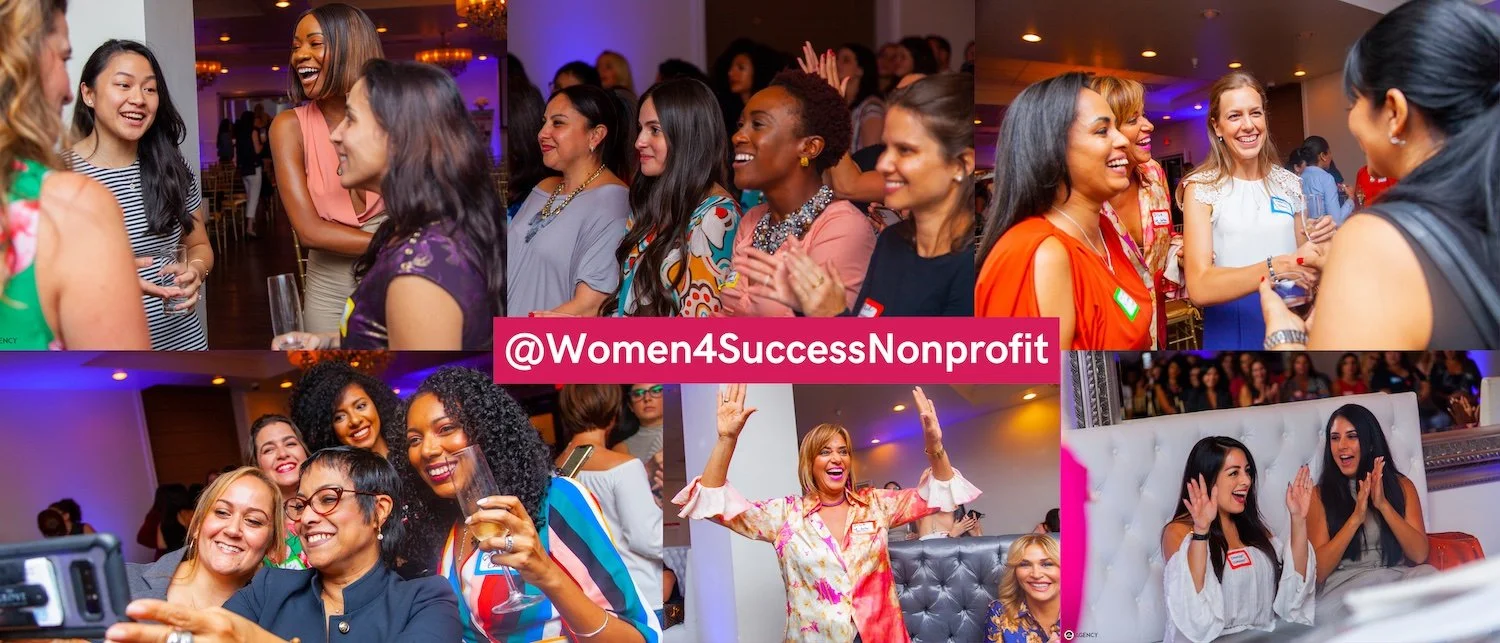
The Female Founder Collective's Ascent Summit meets in Santa Monica today with a narrow audience and a useful message: once a woman founder has real revenue, the support she needs becomes more specific.
The one-day gathering is designed for high-growth founders and executives generating upward of $5 million in revenue. That threshold matters. Much of the public conversation about women founders still focuses on the first pitch, the first cheque or the leap into entrepreneurship. Those moments are important, but they leave out a later stage where the company may already have customers, staff, operational pressure and a founder who is being asked to become a different kind of leader.
The Ascent programme is built around keynotes, workshops, curated roundtables and breakouts. That format is practical because scaling questions rarely get solved by broad inspiration. A founder who has already found product-market fit may need sharper thinking about capital, hiring, leadership design, wholesale relationships, profitability, board dynamics, brand durability or the shift from being the person who holds everything to the chief executive who builds a company that can operate without constant founder force.
The event also points to a reality that is sometimes lost in founder storytelling. Growth can isolate the person who appears to be succeeding. A founder who has moved past the early struggle may still be making decisions without enough peers in the same operating bracket. A trusted room of founders, operators, funders and advisers can reduce that isolation and make the next decision feel less like a private test of nerve.
The Female Founder Collective frames the summit as a space for leaders ready to scale with intention. That phrase is worth taking seriously. Growth by itself can create brittle companies: bigger revenue, more staff, more complexity and more stress without enough structure underneath. Intentional scale asks different questions. What role should the founder stop playing? Which hires change the company? What kind of money fits the business? Which relationships are strategic rather than merely flattering?
For SheMeansNews readers, the useful signal is the shift from access to depth. Early-stage women founders need open doors, capital pathways and visible examples. Later-stage founders need the rooms where hard trade-offs can be named without performance: when to professionalise, how to protect margin, how to bring in senior talent, how to say no to growth that damages the company, and how to stay ambitious without letting urgency become the operating system.
That is why a summit for women already running meaningful businesses deserves attention. It recognises that women founders do not disappear once they prove demand. They enter a harder phase, where the company needs stronger systems and the founder needs fewer slogans and better peers.
The stronger outcome will not be measured only by who attends today. It will be measured by what founders do after the room: the hire they make, the partnership they decline, the new capital question they ask, or the operating discipline they finally decide to install.
Stay close to the story
Subscribe to the newsletter
One edition a week from the SheMeansNews desk.