Atlantic Canada Gender Pay Report Shows Women Still Earn Less in Every Province
A new Canadian Centre for Policy Alternatives report finds women in every Atlantic Canadian province still earn less than men, with the gap widening for racialized, Indigenous, immigrant and disabled women.
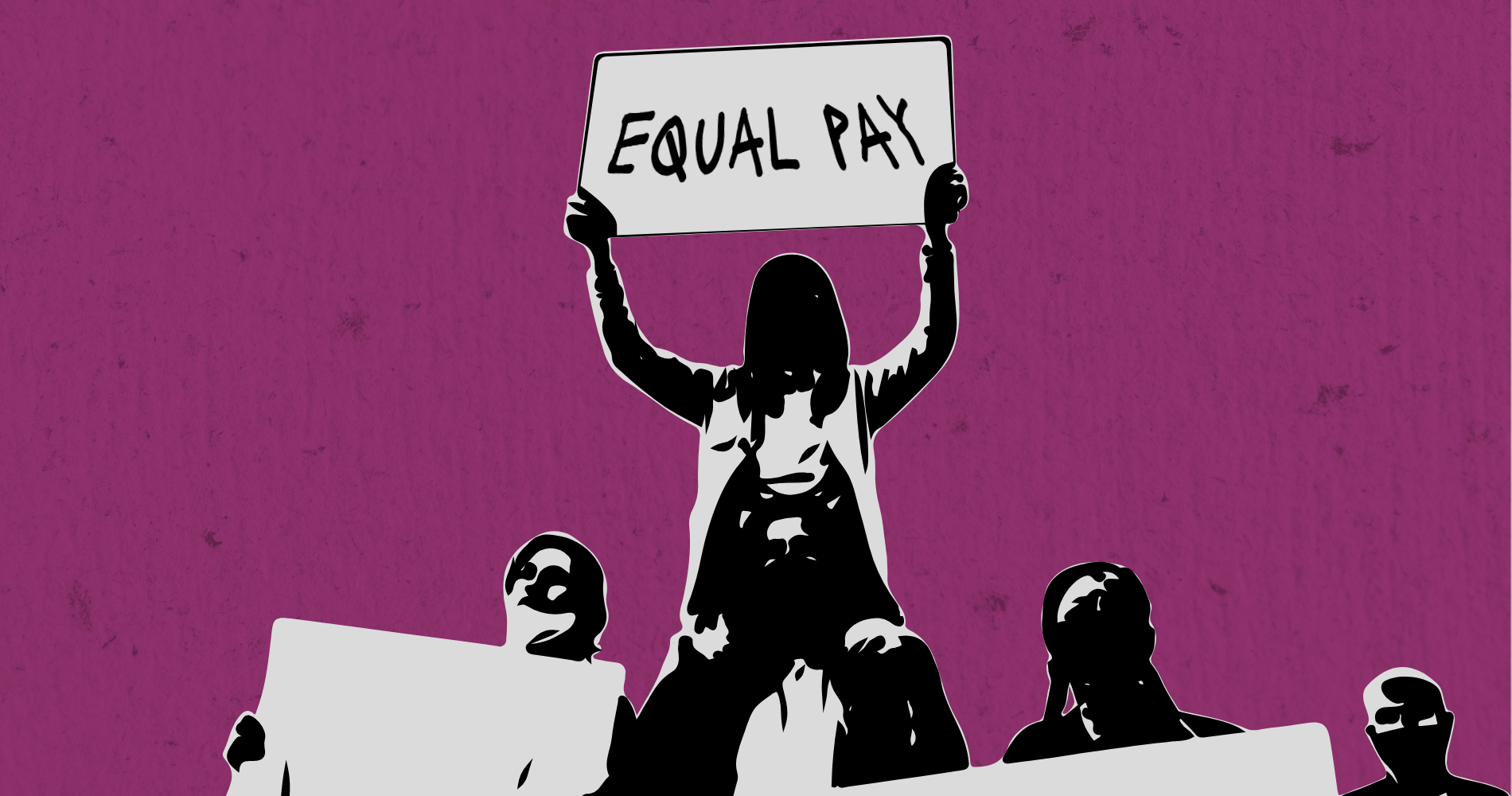
A new Canadian Centre for Policy Alternatives report says women in every Atlantic Canadian province still earn less than men, with the gap widening for racialized women, Indigenous women, immigrant women and women with disabilities.
The report, released June 24, calculates how far into 2026 the average woman in each province must work to earn what the average man made in 2025. It says Newfoundland and Labrador reached Equal Pay Day on June 12, giving that province the second-largest provincial pay gap in Canada. Prince Edward Island has the lowest wage gap in Canada at 5 percent, but the report cautions that the provincial headline number masks a much larger gap between racialized women and non-racialized men.
Christine Saulnier, co-author of the report and Nova Scotia director of CCPA, said the pattern across the region is clear: women earn less than men in every province. She linked the gaps to discrimination, the way labour markets value different kinds of work, access to good jobs and policy choices made by governments. The report calls for stronger pay equity laws, better wages and working conditions, stronger collective bargaining rights and continued investment in care supports such as child care.
That care-economy point is central to the report's broader argument. Pay gaps are not only a matter of individual negotiation or career choice. They are shaped by sectors where women are concentrated, the value placed on care work, whether jobs are unionised, and whether workers can access affordable child care and stable schedules. When care work is underpaid, or when workers carry unpaid caregiving responsibilities with limited support, women's earnings and advancement are affected over time.
The report also shows why pay transparency alone is not enough. Jody Dallaire, chair of the New Brunswick Coalition for Pay Equity, said New Brunswick's new pay transparency law is a concrete step forward, but revealing a problem is different from solving it. The coalition's position is that pay equity, including equal pay for work of equal value, is needed to correct the historic undervaluation of work mostly done by women.
For employers, the report is a reminder that gender equity cannot be reduced to hiring slogans. Pay structures, promotion pathways, job classification, benefits, scheduling and collective bargaining all shape outcomes. For governments, the question is whether policy can move beyond measuring gaps to enforcing systems that close them.
For working women, especially those facing overlapping barriers because of race, disability, immigration status or Indigenous identity, the numbers are a lived economic constraint. Lower pay affects household budgets now and retirement security later. It also affects who can leave unsafe work, invest in training, start a business or take career risks.
The Atlantic Canada report is regional, but its message travels. When women keep needing extra days, weeks or months to catch up to men's prior-year earnings, the economy is not simply recording inequality. It is reproducing it. The policy test is whether governments and employers treat the gap as a structural labour-market problem, not a communications problem.
Stay close to the story
Subscribe to the newsletter
One edition a week from the SheMeansNews desk.