Charis Jones Opens Sassy Jones Dream House Flagship in Houston's Third Ward
Sassy Jones has turned a restored historic home in Houston's Third Ward into an immersive flagship built around jewellery, community and confidence.
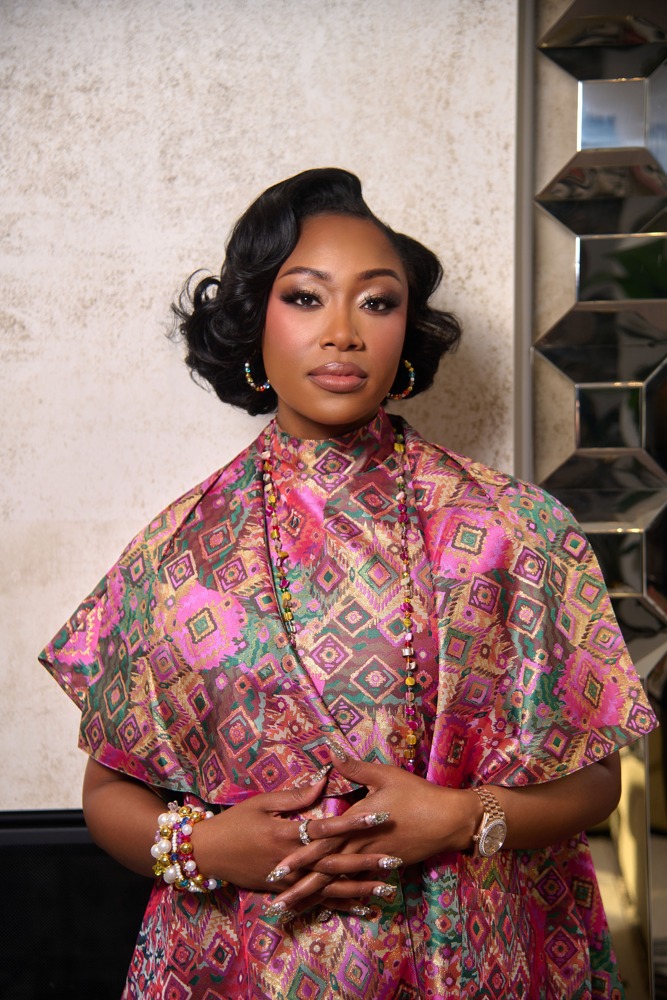
Charis Jones has opened a new Sassy Jones flagship in Houston, turning a restored historic home in the city's Third Ward into a retail destination built around jewellery, fashion, beauty and community. In a corrected PR Newswire release issued on 31 July, Sassy Jones said The Dream House officially opened to the public with a ribbon-cutting ceremony on Friday, 31 July 2026. The company described the site as more than a boutique, positioning it as a place where women can gather, slow down, shop, join future events and reconnect with confidence through design.
The founder story is direct. Jones founded Sassy Jones in 2013 and has built the business around statement accessories, handcrafted jewellery, handbags, scarves, beauty products and ready-to-wear pieces. The company says it has been recognised by Forbes, Inc. Magazine, Ernst & Young and NBC's Today Show for growth, entrepreneurship and its approach to women's confidence. The Houston opening marks the brand's second permanent retail location and signals a move from product-led commerce into a more immersive physical experience.
That move matters because many consumer brands have been pulling back from physical retail or treating stores as transaction points. Sassy Jones is doing the opposite. The Dream House is designed to feel domestic and social rather than formal. According to the release, the interior uses curated rooms, collected furnishings, layered textures, floral wallpaper, vintage details and custom installations. The strategy is to make the visit itself part of the product. Customers are not only buying earrings or a scarf; they are stepping into a brand world where community and confidence are meant to be visible.
The location also carries meaning. The company said Jones and her husband shifted from an earlier plan in Houston's Galleria district after both experienced the same dream on the same night, eventually choosing the historic Almeda corridor. That detail comes from the company's own release, so it should be read as part of the founder narrative rather than an independently tested business rationale. Still, it points to how Jones is framing the store: not as a standard luxury-box rollout, but as a place tied to memory, intuition and neighbourhood character.
For women-led retail, the practical lesson is that a physical store can still be useful when it does work that a website cannot. A website can sell products efficiently. A house-style flagship can host styling events, community conversations, education sessions and celebrations. It can deepen repeat customer loyalty, give social content a richer setting and let a founder translate intangible brand values into rooms, service rituals and personal contact. That is especially relevant for a business that sells confidence as much as it sells accessories.
The risk is execution. Immersive retail can become expensive if foot traffic, events and product sales do not justify staffing and property costs. A founder-led brand also has to make sure the experience does not depend entirely on the founder being present. But Jones is working with an asset her company already owns: a national community that understands the Sassy Jones voice. If The Dream House can convert that community into local visits, recurring events and stronger customer lifetime value, it becomes more than a store opening. It becomes a case study in how a woman founder can use place, story and product to build a deeper retail moat.
Stay close to the story
Subscribe to the newsletter
One edition a week from the SheMeansNews desk.