Female Mavericks Founders Make Motherhood Part of the Operating Model
Beth Mazza and Victoria Sivrais have put a sharper business frame around a familiar founder question: what changes when motherhood is treated as part of the operating model, not as an obstacle the business has to quietly work around?
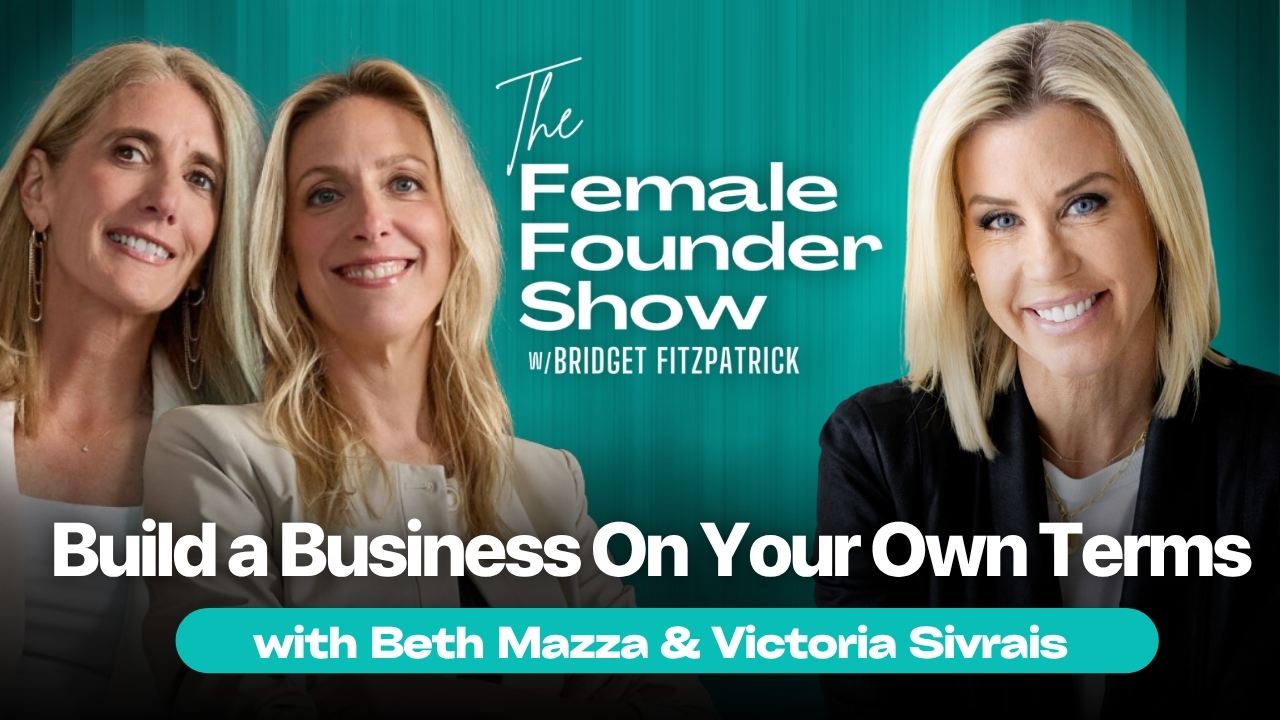
Beth Mazza and Victoria Sivrais have put a sharper business frame around a familiar founder question: what changes when motherhood is treated as part of the operating model, not as an obstacle the business has to quietly work around?
The co-founders of Female Mavericks were profiled by America’s Small Business Network on 2 October after building and selling two consulting firms while raising nine children between them. The useful part of the story is not only the scale. It is the way their partnership appears to have been built around clear lanes, trust and practical execution rather than the myth that women founders have to be exceptional at everything at once.
Mazza and Sivrais first connected nearly two decades ago, when Mazza was pregnant with twins and running an investor relations firm that needed talent quickly. Sivrais entered as an employee, then became a trusted partner. Their later work together turned into a founder relationship with one person leaning toward strategy and market direction, and the other toward execution, logistics and operating structure.
That distinction matters for women building companies around real family responsibilities. Public founder culture still tends to celebrate capacity as if it were limitless. The more useful lesson from this partnership is that capacity has to be designed. A company can only survive repeated high-pressure seasons if the founders know who decides what, which problems deserve attention first and where each person has authority.
Their new book, Entrepreneur Like a Mother, also arrives at a time when many women-owned businesses are moving beyond encouragement and asking for more practical language. A founder with children does not need another reminder to “believe in herself.” She needs to choose a business model that fits the life she is actually living, test offers before perfectionism delays revenue, build a trusted circle and focus each day on the task that will move the business furthest.
That is not a soft message. It is operational. Founders who are also mothers are often managing limited time, care schedules, cash flow, customer expectations and the emotional load of proving that their ambition is legitimate. If the business model ignores those constraints, the founder eventually pays the price in burnout or brittle growth.
For SheMeansNews readers, the broader point is that motherhood is not a branding note. It can shape how a founder sells, hires, delegates, measures risk and decides what kind of growth is worth having. Mazza and Sivrais’ story is useful because it refuses the easy binary of family or scale. It suggests a harder and more interesting question: what would more women build if the business were designed around their real operating conditions from the start?
Stay close to the story
Subscribe to the newsletter
One edition a week from the SheMeansNews desk.