Global Wellness Summit Sets Phuket Agenda Around Women's Health and the USD 6.8 Trillion Wellness Economy
The Global Wellness Summit's Phuket agenda places women's health and longevity medicine inside a USD 6.8 trillion wellness economy conversation.
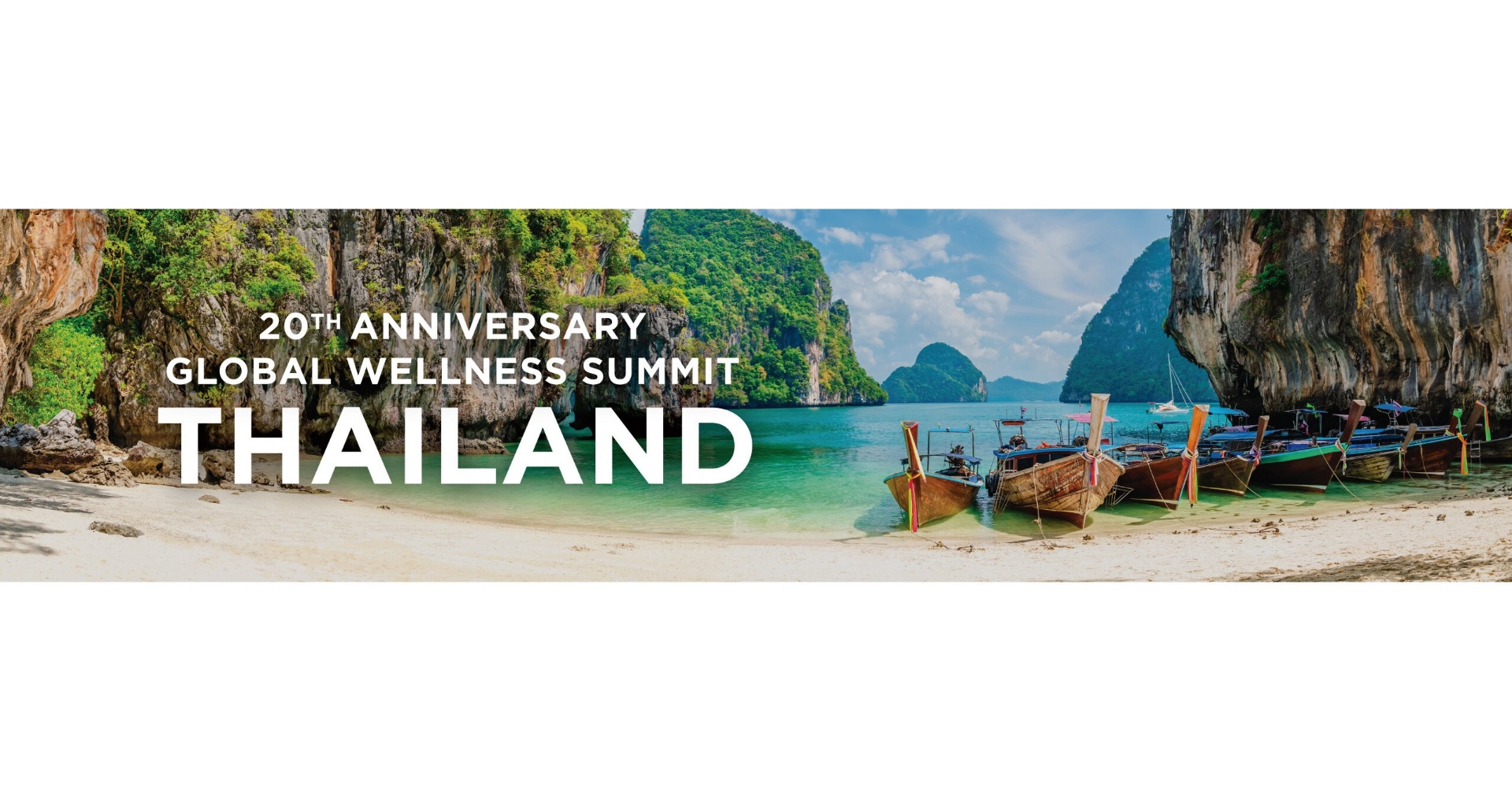
The Global Wellness Summit has named new speakers and topic areas for its 20th anniversary event in Phuket, placing women's health, longevity medicine, wellness travel and neuroaesthetics inside a wider USD 6.8 trillion wellness economy conversation. The 24 July announcement says the summit will take place at Angsana Laguna Phuket from 10 to 13 November 2026, bringing CEOs, doctors, academics, investors, technology innovators and policymakers to Thailand.
The summit's theme, The Science, Art and Soul of Wellness, reflects the market tension the organisers are trying to capture. Wellness has moved from lifestyle branding into medicine, hospitality, real estate, technology, mental health, travel and consumer products. The announcement says this year's event will examine the integration of medicine with breakthroughs in longevity science, women's health and precision medicine, while also looking at ancient wisdom, creativity and emotional wellbeing.
For SheMeansNews readers, the women's health element is the strongest reason to watch. Wellness markets have often profited from women as consumers while giving them uneven scientific evidence, confusing claims and a heavy burden of self-management. When women's health moves into a summit agenda alongside medicine and investment, the question is whether the industry is becoming more rigorous or simply learning better language.
The scale of the market makes that question important. A USD 6.8 trillion wellness economy attracts capital, founders, health systems, travel brands and employers. It also attracts vague promises. Women's health can be a serious growth category if it supports better menopause care, reproductive health, diagnostics, pelvic health, chronic disease prevention, mental wellbeing and evidence-based services. It can also become another label attached to products that make women feel responsible for fixing systemic gaps alone.
The Phuket setting adds another layer. The announcement positions Thailand as a destination that brings together wellness traditions, hospitality and a fast-evolving Asian wellness market. That gives the summit commercial relevance for resorts, travel operators and wellness real estate, but it also raises the need to distinguish cultural respect from market extraction. Wellness businesses increasingly need to show that they can work with local knowledge, local labour and local communities without reducing them to ambience.
The agenda's breadth suggests the industry is at an inflection point. Longevity medicine, precision care and women's health all require evidence, regulation and clinical accountability. Neuroaesthetics and creative wellbeing, by contrast, can be harder to measure. A serious summit should make room for both possibility and scepticism, especially when investors are looking for the next growth frontier.
The leadership story is that wellness is no longer a fringe consumer category. It is a boardroom, policy and capital allocation issue. Employers use wellness programmes to address retention and productivity. Healthcare systems use preventive care language to manage costs. Tourism regions use wellness to attract high-value visitors. Founders use it to build new products and platforms. Women are central to all of those markets as consumers, workers, caregivers, entrepreneurs and patients.
The Global Wellness Summit's July announcement does not answer whether the industry will become more equitable or evidence-led. It does, however, show where the conversation is moving. Women's health is being placed near the centre of a global wellness economy discussion. The next test is whether that visibility produces better care, better businesses and clearer standards, or just another cycle of polished wellness language.
Stay close to the story
Subscribe to the newsletter
One edition a week from the SheMeansNews desk.