Anna Joo Fee's Goodfin Launches QSBS Venture Fund for Private-Market Investors
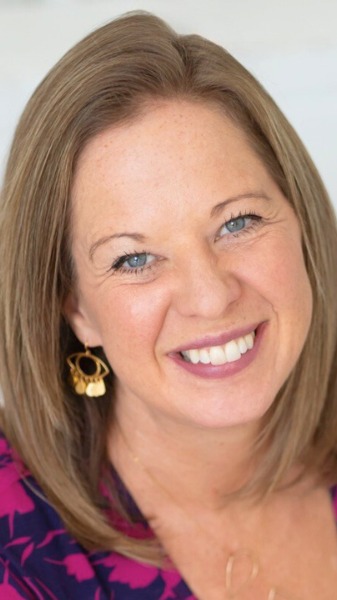
Goodfin, led by founder and CEO Anna Joo Fee, launched a Qualified Small Business Stock venture fund targeting Section 1202 tax treatment for accredited investors in early-stage, Y Combinator-backed startups.

Goodfin founder and chief executive Anna Joo Fee has launched a Qualified Small Business Stock venture fund aimed at accredited investors who want exposure to high-growth startups while targeting federal capital gains tax benefits. The agentic wealth platform announced the Goodfin QSBS Venture Fund on 14 July, positioning it as a way to invest in venture and Y Combinator-backed startups that are vetted for Internal Revenue Code Section 1202 eligibility.
The money angle is specific. QSBS can allow eligible startup founders, early employees and investors to exclude qualifying gains from federal capital gains tax if the investment meets detailed rules and holding-period requirements. Goodfin says the new fund is designed to target that treatment from the start rather than trying to reconstruct eligibility later. The release says companies in the fund are analyzed and vetted for Section 1202 eligibility by CapGains before investing and during the fund's holding period, with eligibility documented at the time of investment.
That operational detail is the core of the product. QSBS is attractive because the potential tax exclusion can be large, but the rules are complex. A company generally has to meet corporate, asset and business-activity requirements, and the investor has to meet qualifying ownership and holding requirements. If the paperwork is sloppy or a company is not eligible, the promised tax advantage may not exist. Fee framed that problem directly, saying QSBS is one of the most under-used advantages in venture investing but also one of the most complex to get right.
Goodfin says the fund will provide access to a curated portfolio of early-stage startups, typically from seed through Series C, backed by tier-one venture investors and Y Combinator. The company says the portfolio will be selected for both investment merit and QSBS qualification, so investors are not meant to be choosing tax efficiency at the expense of company quality.
The announcement also points to Section 1045 rollovers, saying the fund is positioned for investors looking to reinvest QSBS gains from a prior investment into the next generation of startups. That detail matters because it places the product inside a wider private-market planning conversation. For investors who already have startup gains, the question is not only whether to take cash off the table, but whether and how to redeploy those proceeds in a tax-aware way.
There is also a startup-side claim in the release. Goodfin says certification can make participating startups more attractive to sophisticated capital and talent because investors increasingly seek QSBS-eligible companies. That is plausible in a market where tax treatment can influence how investors compare opportunities, although it does not remove the usual venture risks around product, market, governance and liquidity.
For women in business, the story is notable because Fee is building in a corner of finance where access, tax planning and private-market infrastructure overlap. Goodfin, founded in 2022 and backed by Y Combinator, describes itself as an agentic private wealth platform using purpose-built AI to help investors discover, evaluate and access private-market opportunities. The QSBS fund extends that positioning from discovery into a structured investment product.
The risk for readers is also clear. Venture investing is illiquid and risky, and tax outcomes depend on eligibility and holding-period rules that can change or be interpreted differently in individual circumstances. The news is not that every investor should chase QSBS. It is that a woman-led fintech is turning a complex private-market tax tool into a packaged fund strategy, and that is a current signal about where wealth technology is moving.
Stay close to the story
Subscribe to the newsletter
One edition a week from the SheMeansNews desk.