IMF Inspired Puts Ayesha Khanna's AI Work on the Annual Meetings Stage
The IMF Annual Meetings programme gives AI entrepreneur Ayesha Khanna a global stage for the practical questions around work, inclusion and the digital age.
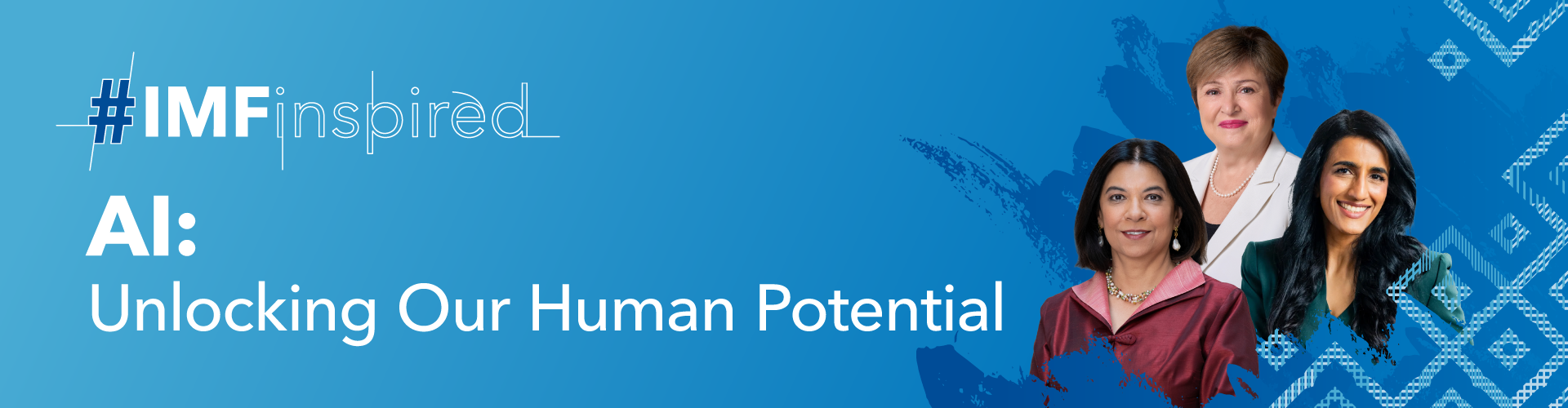
The IMF Annual Meetings have put an AI founder into one of the day's most practical leadership conversations, with Dr Ayesha Khanna scheduled for the IMF Inspired session on 12 October.
The event is built around women entrepreneurs, activists and thought leaders whose work has shaped economic and social conversations. This year's session pairs Khanna, co-founder and chief executive of Addo, with IMF moderator Sabina Bhatia for a discussion on how artificial intelligence is changing economies, organisations and the future of work.
That framing matters because AI is often covered as either a corporate productivity story or a technical arms race. The IMF programme places it in a wider civic and labour context: what the technology means for human potential, how organisations adapt, and whether women and girls are included in the digital transition early enough to shape it.
Khanna is a useful figure for that conversation because her public profile sits across entrepreneurship, advisory work and education. She is described in the programme as a globally recognised AI expert, entrepreneur, adviser and futurist, with work spanning artificial intelligence, smart cities, digital transformation and the future of work. The programme also notes her role as founder of 21C Girls, a charity that provided free coding and AI education for girls.
For SheMeansNews readers, the founder angle is clear. A woman-led AI company does not sit outside the inclusion debate; it is part of the evidence base for it. When founders build in fast-moving technical markets, they are not only selling tools. They are shaping who understands the tools, who gets hired to use them, and who is considered credible enough to advise institutions on what comes next.
The timing is also important. The Annual Meetings bring together finance ministries, central banks, development institutions, researchers and private-sector leaders. A conversation on AI at that level is unlikely to produce a single local policy answer, but it can influence the language decision-makers use when they talk about skills, jobs and productivity.
The strongest version of the AI opportunity for women is not a promise that everyone will become a coder. It is a broader operating question: will girls, workers, founders and managers be given enough access to understand the technology before it reorganises their sectors around them?
That is where Khanna's education work gives the event a sharper edge. AI inclusion is not only about senior women appearing on panels. It is about whether younger women and girls can learn enough to become builders, buyers, regulators, educators and critics of the systems being adopted around them.
The session should therefore be read less as a celebration of one founder and more as a test of the current AI conversation. If institutions want inclusive digital economies, they need to treat women and girls as early participants in technical change, not as a group to be helped after the design decisions have already been made.
Stay close to the story
Subscribe to the newsletter
One edition a week from the SheMeansNews desk.