Kara Egan's Teal Health and UC Davis Launch At-Home Cervical Cancer Screening Pilot
Teal Health's UC Davis pilot tests whether at-home HPV self-collection can close cervical cancer screening gaps for overdue patients.
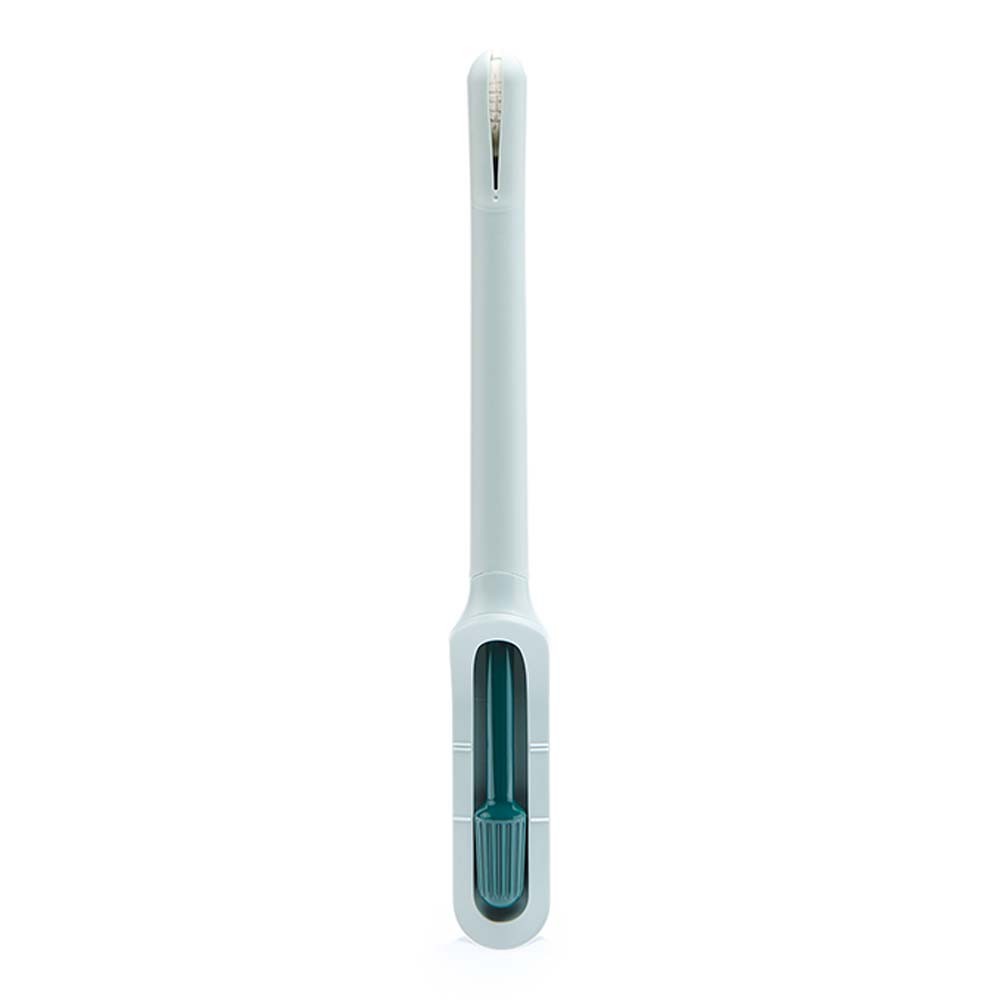
Teal Health, the woman-led company co-founded and run by Kara Egan, has entered a new health-system pilot with UC Davis Health to test how at-home cervical cancer screening can fit into routine care. UC Davis Health announced the pilot on 23 July, saying the study will evaluate HPV self-collection for patients who are due or overdue for cervical cancer screening. The work is being funded through Teal Health's National Institutes of Health Small Business Innovation Research grant, giving the project a research frame rather than treating it as a simple consumer-product rollout.
The practical design matters. UC Davis Health says eligible patients aged 30 to 65 may receive outreach through MyChart, email, text message or their care team. Patients who meet the criteria can receive a kit at home, collect a sample, mail it back and have it processed through UC Davis Health's in-house laboratory. Results are intended to flow into the electronic health record, which is a key detail because home screening only becomes scalable if it can connect cleanly to the systems clinicians already use.
The founder story is strong because Egan's company is not only selling convenience. Teal Health developed the first FDA-authorized self-collection device for at-home cervical cancer screening, and the UC Davis collaboration asks whether that technology can reduce the gap between medical recommendations and real patient follow-through. Preventive care often fails at the friction points: scheduling, transport, privacy, time away from work, clinic availability and discomfort with exams. A mailed device with clinical follow-up could remove some of those barriers for people who are otherwise falling behind.
For SheMeansNews readers, this is a women's health access story with work and money implications. Cervical cancer screening is preventive care, but overdue screening is often linked to the realities of daily life. Women who are managing jobs, caregiving, transport limits, rural distance or medical mistrust can miss appointments even when they understand the importance of testing. If a health system can offer a credible at-home pathway, the burden shifts from the patient needing to fit the system to the system meeting patients earlier.
The UC Davis announcement also gives the pilot a useful evaluation standard. Researchers will compare outcomes with standard clinic-based screening approaches, measuring completion, participation, reach among people overdue for care and operational feasibility. Those are the right questions. A device can be accurate in isolation but still fail if patients do not complete it, laboratories cannot process it efficiently, results do not reach clinicians or follow-up care is unclear.
There are limits. At-home screening is not a substitute for every kind of gynecological care, and positive or unclear results still require clinical pathways that patients can access. Health systems will also need to make sure language, cost, digital access and follow-up communication do not create new barriers. The promise is not that home testing solves everything; it is that it can become one reliable front door into preventive care.
Egan's current milestone shows how founder-led women's health companies can move from direct consumer attention into clinical infrastructure. The next proof point will be whether the pilot produces enough participation and workflow evidence for broader adoption. If it does, Teal Health and UC Davis could give other health systems a practical model for bringing cervical cancer screening closer to the patients who are least served by clinic-only care.
Stay close to the story
Subscribe to the newsletter
One edition a week from the SheMeansNews desk.