Melinda French Gates Pushes Menopause Care Into Women's Health Funding Debate
A new $215 million Pivotal commitment puts menopause, maternal mental health and reproductive care at the centre of a debate that is as much economic as medical.
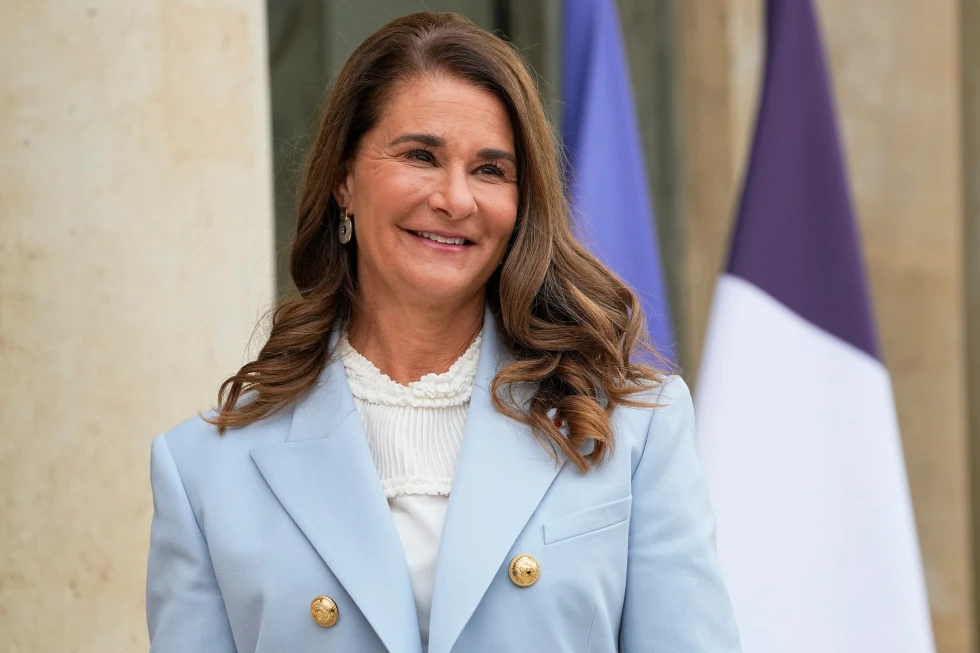
Melinda French Gates has put menopause and midlife care back at the centre of the women's health funding debate, pairing a public call for better treatment with a major new philanthropic commitment for reproductive, maternal and midlife health.
The latest attention followed fresh coverage of French Gates' essay calling for a "menopause revolution" and renewed reporting on Pivotal's additional $215 million commitment to women's health. The money is aimed at areas that have historically struggled to attract mainstream medical investment, including contraception access, maternal care, mental health support in maternal and primary care, menopause education and research, and better clinical pathways for women in midlife.
The funding is not only a health story. It is also a workplace, leadership and economic story. Menopause and perimenopause symptoms can affect sleep, concentration, mood, pain levels and energy. For many women, those symptoms arrive during peak earning years, senior leadership years or a period when they are managing work, families and caregiving at the same time. When the health system treats those symptoms as a private inconvenience rather than a normal and treatable stage of life, the cost can show up in careers, business ownership, productivity and financial security.
French Gates' argument is that women's health has been treated as a secondary category for too long. Reporting on the funding noted that the new commitment brings her women's health giving through Pivotal to more than $600 million over two years. It includes a $40 million grant to Co-Impact for work that embeds mental health support into maternal and primary care, especially in Africa, and $10 million for The Menopause Society to expand provider education and outreach in parts of the United States where menopause-competent care is limited.
That focus matters because menopause care still depends heavily on geography, income, employer benefits and whether a clinician has been trained to recognise symptoms and offer evidence-based options. Many women report being dismissed, misdiagnosed or told to simply endure symptoms. In practical terms, that can mean women leave appointments without a plan, spend more money searching for help, or step back from work at the exact time their experience is most valuable.
The public response to French Gates' essay shows why the issue is resonating beyond medical circles. For SheMeansNews readers, the important point is not celebrity philanthropy on its own. It is the way a high-profile funder is trying to shift women's health from a niche concern into a mainstream investment category.
There are reasons for caution. Philanthropic funding can draw attention to a neglected area, but it cannot replace sustained public research funding, insurance coverage, affordable appointments, or medical training across entire health systems. There is also a risk that better-resourced women benefit first while rural, low-income and marginalised women continue to face the longest waits and the fewest specialist options. That is why the structure of the grants matters as much as the headline amount.
Still, the current moment is significant. Women's health startups, employer-benefit providers and advocacy groups have spent years arguing that menopause, maternal mental health and reproductive care are not side issues. French Gates' latest push gives that argument more capital and visibility. It also challenges other funders, companies and policymakers to treat women's health as part of economic infrastructure.
If the money leads to more trained clinicians, better menopause education, stronger maternal mental health pathways and more research into overlooked conditions, the effect could reach far beyond health appointments. It could influence how women stay in senior roles, how employers design benefits, how founders build health companies and how policymakers measure the cost of underfunding half the population.
The clearest takeaway is that menopause care is no longer being discussed only as a private medical matter. French Gates is using her platform to frame it as a public, economic and leadership issue. Whether that shift lasts will depend on what happens after the headlines: how the grants are delivered, whether other funders follow, and whether health systems turn the new attention into routine, affordable care.
Stay close to the story
Subscribe to the newsletter
One edition a week from the SheMeansNews desk.