Te Kahukura Boynton Wins Moodi Female Founder Fund Top Grant for Māori Millionaire
Moodi named Te Kahukura Boynton and Māori Millionaire as the top recipient in its 2026 Female Founder Fund, backing trauma-informed financial literacy for Māori and underserved communities.
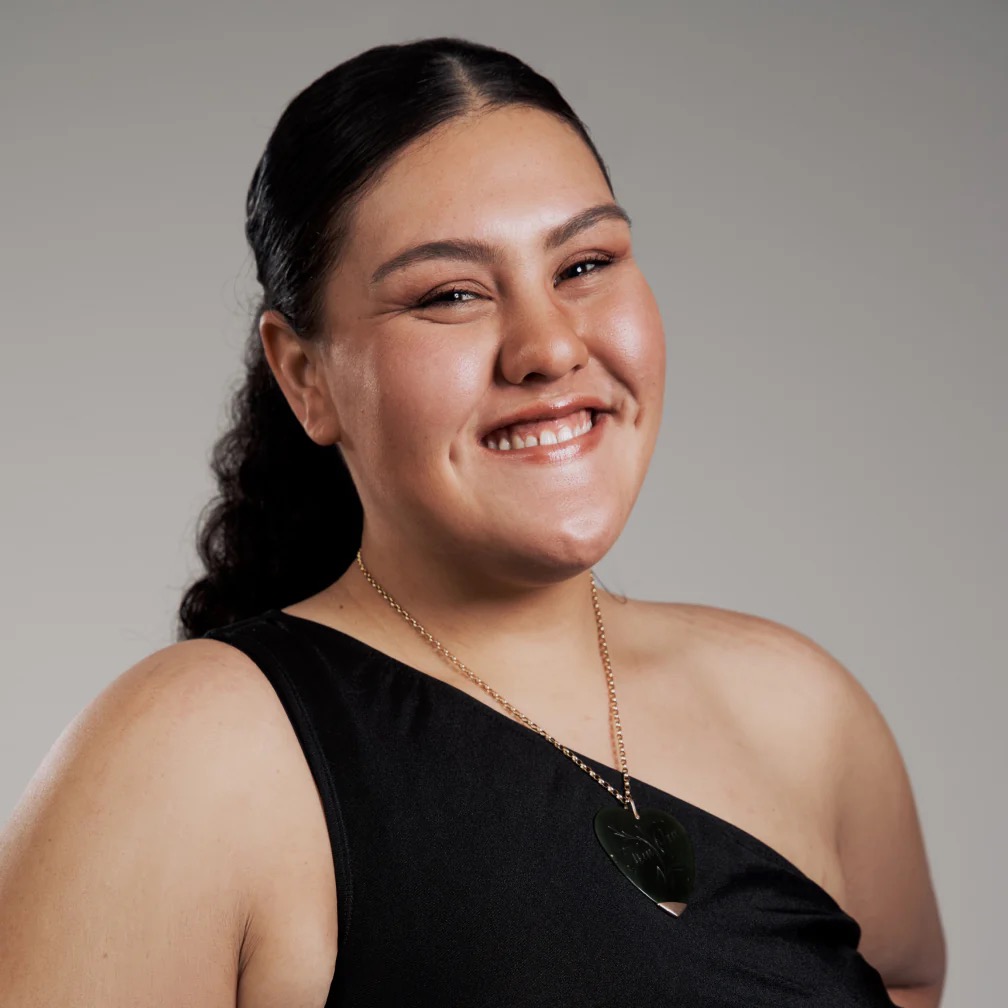
Te Kahukura Boynton has been named the top recipient of Moodi's 2026 Female Founder Fund, taking the largest grant in a $15,000 pool designed for early-stage women founders in New Zealand and Australia. Moodi's winners page lists Boynton in first place with an $8,000 award for Māori Millionaire, a financial literacy business focused on trauma-informed, culturally grounded education for Māori and underserved communities.
The award is small compared with venture capital headlines, but that is part of why it matters. Many founder stories begin long before institutional investors, polished pitch decks or scalable hiring plans. They begin with a specific community problem and a founder trying to build enough capacity, credibility and momentum to keep going. Moodi's fund is explicitly framed around no-strings cash grants, with no equity taken in exchange. For an early operator, that can be more useful than a programme that creates visibility but leaves the founder without flexible money.
Boynton's business sits at the intersection of money, education and community wellbeing. Moodi describes Māori Millionaire as delivering financial literacy in an accessible and culturally grounded way, with a focus on helping Māori and underserved communities build wealth and confidence. The fund page links the work to broader inequities rooted in colonisation, land dispossession, systemic racism and underrepresentation in financial spaces. That context is important because financial education is often sold as an individual behaviour fix, when the barriers are also structural.
The stated use of the grant is also specific. Moodi says the funds will help Boynton travel to Canada to keynote an Indigenous wealth conference, share a Māori perspective on trauma-informed financial literacy, learn from Indigenous communities, build relationships with entrepreneurs and organisations, and create momentum for Māori Millionaire beyond Aotearoa. In other words, the grant is not just working capital. It is a bridge into a wider Indigenous entrepreneurship and financial education network.
The other winners show the fund's range. Yesha Patel's After, a doorstep textile recovery and recycling service for Australia and New Zealand, and Catherine McDougall's Support Plus, a tool for Australia's unpaid carers, were listed as joint second-place recipients. Moodi also named Amelia Godfrey's Pelvy in the winners section, with support intended for clinician features connected to pelvic health education. Together, the winners point to a founder pipeline built around practical social problems rather than the narrow technology categories that dominate startup funding coverage.
Moodi founder Kate Gatfield-Jeffries frames the fund as a response to how difficult it is to get an idea off the ground. That is a familiar problem for women founders, especially those building outside the usual investor networks. The useful part of the fund is its directness: cash first, attached to public recognition and a clear explanation of what each founder is trying to solve.
For SheMeansNews readers, Boynton's win is also a reminder that money coverage should not be limited to personal budgeting or high-growth funding rounds. Financial literacy businesses can be part of community infrastructure. When they are led by founders who understand the cultural and historical reasons people distrust or feel excluded from money systems, the work can reach places generic advice often cannot.
The next test for Māori Millionaire will be whether this recognition helps turn a grant into wider partnerships, more learning products and a stronger platform for Indigenous financial education. The award does not solve the funding gap for women founders, but it does put flexible support behind a founder working on one of the most practical questions in economic participation: who gets to feel safe and capable with money.
Stay close to the story
Subscribe to the newsletter
One edition a week from the SheMeansNews desk.