Spark Festival’s Female Founder Exchange Shows Why Access Still Matters
Spark Festival’s 2026 programme put founders across Sydney and regional New South Wales into a week of free sessions, workshops and community events. Among the more pointed items was UNSW Founders’ High Tea, High Conversations: Female Founders Mentor Exchange, a Parramatta gathering for women founders from Western Sydney to meet senior mentors across entrepreneurship, investment, technology, health and leadership.
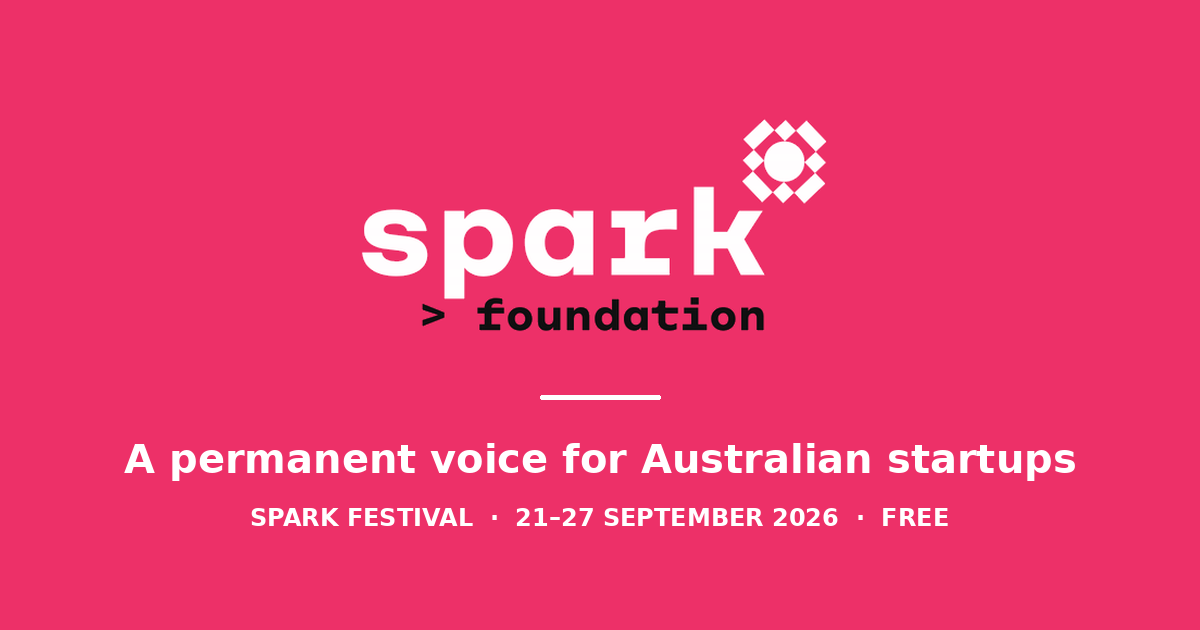
Spark Festival’s 2026 programme put founders across Sydney and regional New South Wales into a week of free sessions, workshops and community events. Among the more pointed items was UNSW Founders’ High Tea, High Conversations: Female Founders Mentor Exchange, a Parramatta gathering for women founders from Western Sydney to meet senior mentors across entrepreneurship, investment, technology, health and leadership.
The format is worth noticing because it addresses a problem that is easy to name and harder to fix. Founders are told to find mentors, build networks and learn from people who have done it before. But those invitations are not evenly distributed. A founder outside the usual CBD networks, without an investor-backed company or a warm introduction, can know that advice is important while still being left out of the rooms where it circulates.
Spark Festival’s broader theme this year has been uncertainty for Australian founders. Its programme points to pressure around government support, tax settings, research incentives and the legality of AI development. Those issues affect the whole startup ecosystem, but they can land differently for women founders, especially those still building credibility, capital access and technical teams.
That is why a mentor exchange for women founders in Western Sydney is more than a pleasant networking event. It is a small piece of founder infrastructure. If the right mentors are in the room, a founder can test a hiring decision, reframe a pitch, learn which grant is worth the effort, ask a blunt capital question or hear how another operator handled the same messy middle stage.
There is also a useful geographical signal. Startup coverage often treats Sydney as if the ecosystem begins and ends around the harbour, Tech Central and a handful of venture-backed companies. Western Sydney has its own business base, migrant entrepreneurship, health precincts, advanced manufacturing links, university networks and local markets. A women-founder programme in Parramatta recognises that innovation does not only happen where investors prefer to have coffee.
For SheMeansNews readers, the access question is the real story. Mentorship is often described as a personal-development benefit, but in startup terms it can be a commercial advantage. It can influence who gets early feedback, who is warned away from bad capital, who learns how to price, who is introduced to a first customer and who is told they are ready before confidence catches up.
One event cannot repair the gender funding gap or the uneven geography of startup support. But free, targeted, local founder programming can reduce the distance between ambition and practical help. In a period when founders are being asked to navigate tighter capital, policy change and noisy AI markets, that kind of access is not soft support. It is part of the operating environment.
Stay close to the story
Subscribe to the newsletter
One edition a week from the SheMeansNews desk.