WIPO Highlights Navalayo Osembo-Ombati and Chantal Epp in Women Sport and IP Session
A WIPO session on Women, Sport and IP put founders from Kenya, the UK, China and Brazil at the center, showing how trademarks, licensing and image rights shape women-led sports businesses.
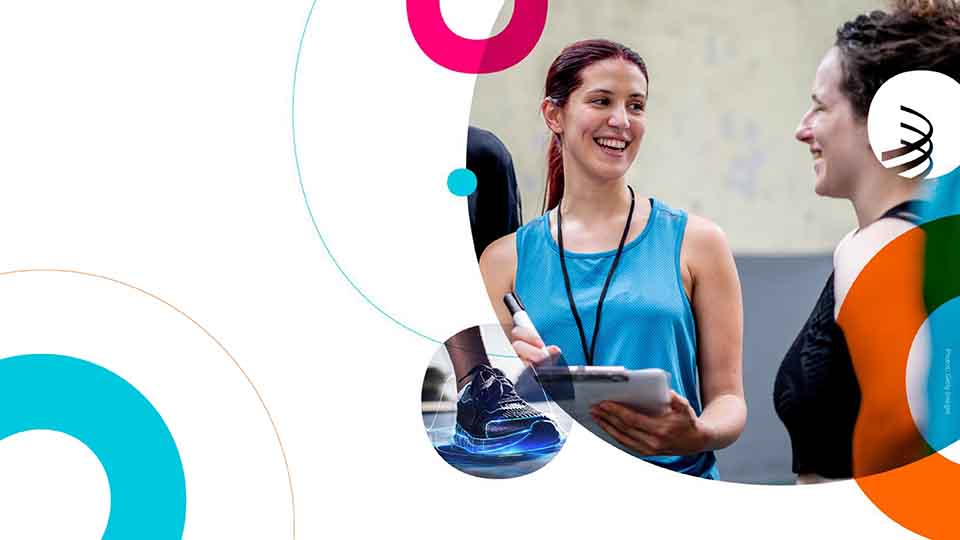
The World Intellectual Property Organization has used its latest Women and IP session to show how women founders are building sports businesses around brands, rights and technology rather than treating intellectual property as a late-stage legal detail. WIPO's account of the virtual session focuses on women entrepreneurs from Kenya, the United Kingdom, China and Brazil who are using IP to build companies and make women's participation in sport more commercially durable.
The founder-focused thread is clear. Navalayo Osembo-Ombati, co-founder of Enda Athletic, spoke about building Kenya's first running shoe brand and using trademark protection early to protect the company's name, story and visual identity. Her example matters because Enda is not simply selling footwear. It is commercializing a national running heritage, and that makes brand identity and cultural authenticity part of the product. WIPO said Osembo-Ombati linked early trademark work to investor confidence and international expansion.
Chantal Epp, founder of ClicknClear, brought a different kind of sports-business problem to the session. Her company works on music rights for teams, athletes and organizers, a niche that can sound technical until a sport tries to broadcast or monetize performances that rely on licensed music. Epp described the fragmented nature of music rights as a barrier to growth, particularly in female-dominated sports, and presented licensing and compliance tools as a way to reduce infringement risk and open new monetization channels.
The session also featured Bianca Gama Pena, founder of the eMuseum of Sports, who discussed how software registration, trademarks, image rights, copyright management, licensing agreements and confidentiality clauses helped protect assets and build partnerships for virtual and physical immersive sports exhibitions. Chenlin Zhu, legal director at ANTA Sports Products, added the corporate view by describing how IP supports athlete partnerships, product innovation, marketing campaigns and brand value.
The practical point for women founders is that IP is not only about defending against theft after a product becomes successful. In sports, it can shape how a startup raises money, licenses content, tells its origin story, protects athlete imagery, enters new markets and turns community credibility into a scalable brand. The examples also show why women-led sports businesses need advice that reaches beyond patent filings.
WIPO framed the session as part of a broader series on closing the gender gap in intellectual property. That policy lens is important because the gap is not only a question of who has ideas. It is about who gets the guidance, funding, networks and confidence to protect those ideas before a market moves around them. For founders with fewer established investor channels, IP literacy can become a form of leverage.
For SheMeansNews, the story belongs in startups because it shows women building companies in sports, media and technology through assets that are often invisible until they fail: names, images, sounds, software, licenses and stories.
Stay close to the story
Subscribe to the newsletter
One edition a week from the SheMeansNews desk.