Women in Optometry Conference Turns Connection Into Leadership Practice
Women In Optometry’s eighth annual Women’s Leadership Conference closed in Anaheim with a useful message for professional women: connection is not a soft extra when the job already demands clinical skill, business judgement and personal resilience. It is part of how leadership works.
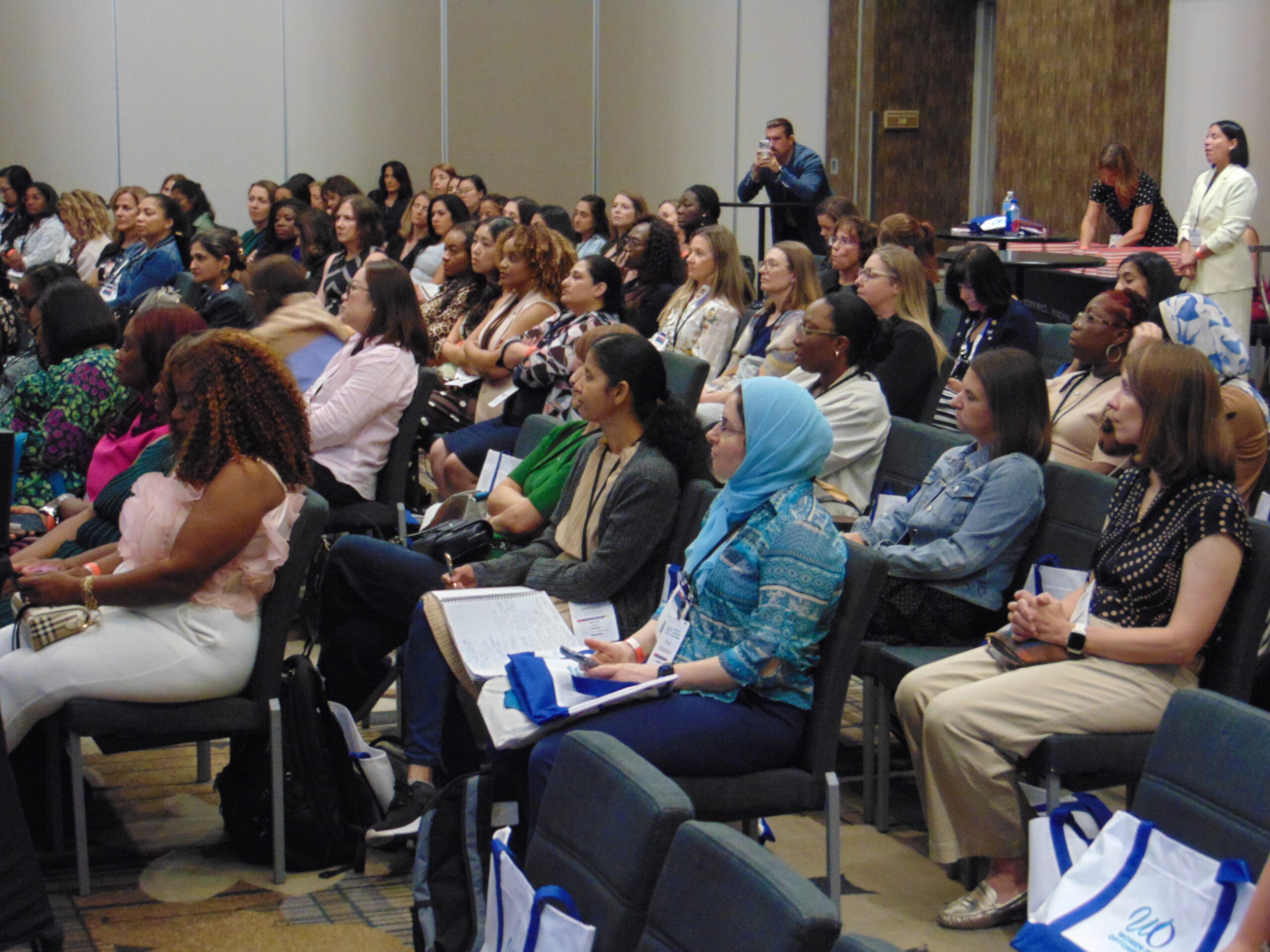
Women In Optometry’s eighth annual Women’s Leadership Conference closed in Anaheim with a useful message for professional women: connection is not a soft extra when the job already demands clinical skill, business judgement and personal resilience. It is part of how leadership works.
The conference took place on 29 September during the 2026 American Academy of Optometry Annual Meeting, and Women In Optometry published its wrap-up on 2 October. This year’s theme asked attendees to focus, amplify and lead, with the programme built around authenticity, intentional relationships and the way women in health professions sustain their voice while carrying responsibility for patients, teams and practices.
That framing is relevant well beyond optometry. Many women in specialist professions are promoted, trusted or depended on because they are capable, but capability can become a trap when it is not matched with support. The conference’s emphasis on authentic relationship-building points to a different model of leadership: one where influence grows through trust, self-knowledge and the ability to ask for what is needed before exhaustion becomes the signal.
Keynote speaker Barb Betts placed the relationship with oneself at the centre of the discussion, arguing that authentic connection with others depends on having an authentic relationship internally first. That can sound abstract, but in a clinical or practice setting it quickly becomes practical. A professional who knows her values and limits is better placed to lead a team, communicate with patients, choose opportunities and recognise when a role no longer fits.
The panel discussion added several grounded routes into leadership. Dr. M. “Araba” Otoo, founder of Cherish Eyesight and Vision and chair of the American Public Health Association Vision Care Section, connected mentorship with public and global health purpose. Dr. Neda Gioia, founder of Integrative Vision, spoke from a personal history shaped by asylum, fear and a later decision to rethink medicine and her own voice. Dr. Jennifer Maples, known as The Mindful Optometrist, focused attention inward, encouraging women to protect even small windows of time to listen to their own thoughts.
Those examples matter because women’s leadership is often flattened into confidence advice. The Anaheim conversation suggests something sturdier. Leadership may begin with a mentor, a patient relationship, a health scare, a community need or a private moment of honesty about what is no longer sustainable.
The conference ended with the Theia Awards of Excellence, recognising six women for contributions to optometry and bringing the programme’s total honorees to 77 since the awards began. Recognition is not the whole answer, but it does create a public record of women shaping a profession.
For SheMeansNews readers, the lesson is clear: professional leadership is not only about reaching the next title. It is about building the relationships, boundaries and voice that let women stay influential without disappearing inside the work.
Stay close to the story
Subscribe to the newsletter
One edition a week from the SheMeansNews desk.