Bad Girl Books Founder Starlin Marot Shows How Romantasy Became a Women's Publishing Force
Channel 4 News visited Bad Girl Books in Oxford as romantasy's rapid growth reshapes UK publishing and puts women founders, writers and readers at the center of the market.
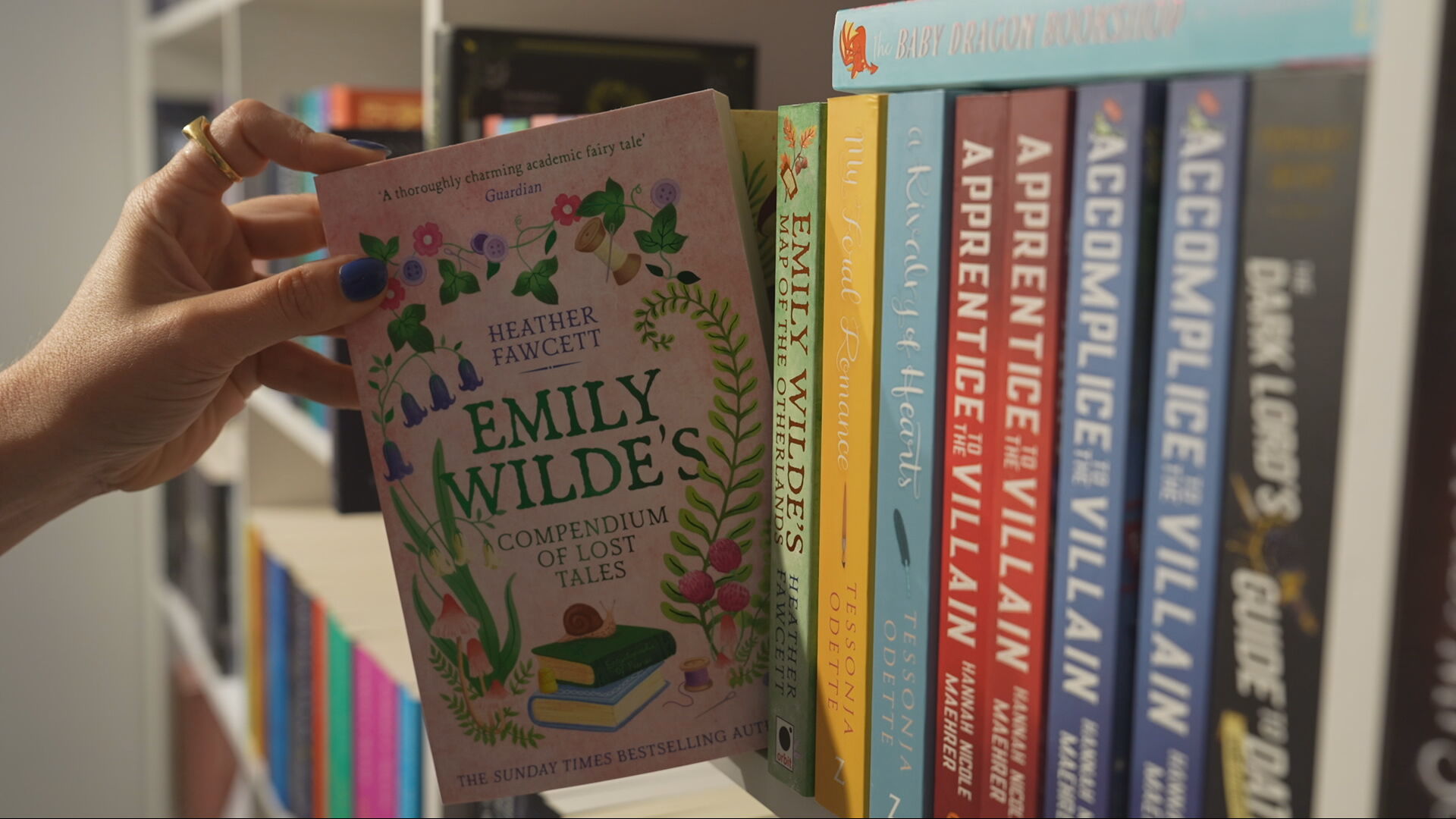
Channel 4 News has put a founder-led face on the romantasy boom, visiting Bad Girl Books in Oxford for a feature on how the romance-fantasy blend is reshaping UK publishing. The piece centers partly on founder Starlin Marot, whose specialist bookshop gives readers a physical home for a genre often discovered through BookTok, online fan communities and algorithm-driven recommendations.
The business angle is sharper than the genre jokes suggest. Romantasy is described as the fastest-growing genre in publishing, helped by TikTok's reading community and the ability of viral recommendations to turn books into global bestsellers. UK science fiction and fantasy sales grew by more than 40 percent in one year, from 59.4 million pounds in 2023 to 84 million pounds in 2024, while wider UK fiction sales passed 1 billion pounds for the first time.
Marot's shop matters because it converts an online trend into a retail experience. Bad Girl Books is described as Britain's first romantasy-only bookshop, with readers queuing outside before the doors open. In a market where book discovery often happens on a phone, a specialist store can create trust, community and recommendation value that a general retailer may not offer. Marot also challenges the idea that the genre is only about explicit content, pointing instead to stories that deal with mental health, trauma, abusive relationships, female empowerment and LGBTQ+ empowerment.
That framing helps explain why romantasy has become commercially powerful. These books may contain romance, fantasy worlds and fan-service tropes, but the heroines often lead armies, face danger, survive trauma and make consequential decisions. The genre is opening commercial space for women writers, women retailers and women readers who want narratives centered on women with agency.
The cultural shift is also about embarrassment and legitimacy. Marot argues that specialist shops make it easier for readers to ask for recommendations without feeling judged. That is a familiar pattern in women-led consumer markets. A category may be dismissed as unserious until it becomes too large to ignore; then the founders who understood the community early become important tastemakers.
The SheMeansNews interest is not whether every reader likes dragons or elaborate fictional love interests. It is that a woman founder has built a shop around a fast-growing literary community, and that the community is pushing money, attention and shelf space toward stories where women are central. Marot's Bad Girl Books turns a digital fandom into a visible business, and the numbers suggest romantasy is no longer a marginal subculture.
Stay close to the story
Subscribe to the newsletter
One edition a week from the SheMeansNews desk.