Livia Nunes Marques and H&M Launch 20-Piece Collection Built Around Modern Femininity
H&M's 20-piece collaboration with Livia Nunes Marques moves a woman creator upstream from styling into fashion product decisions.
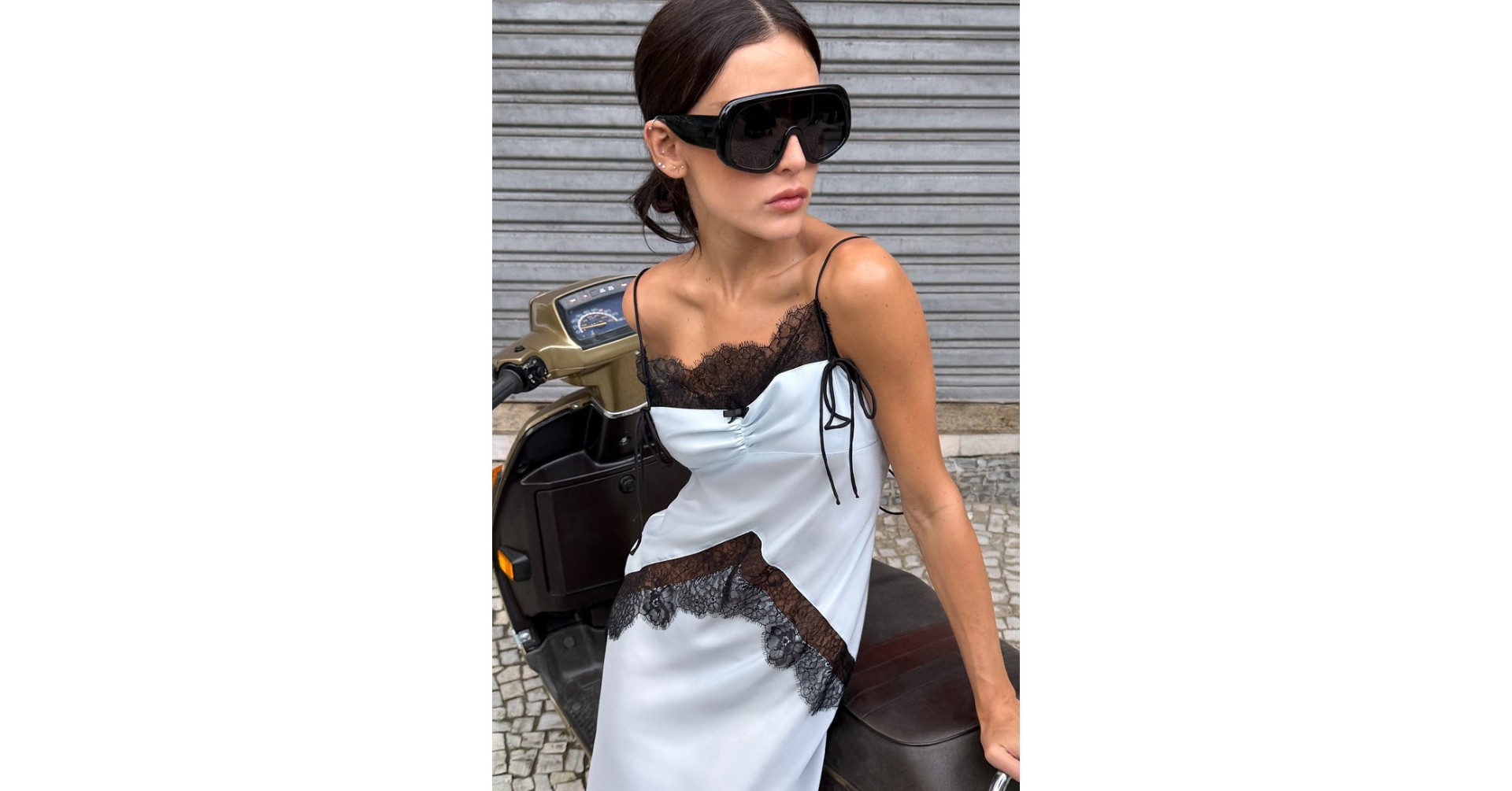
H&M has launched a 20-piece ready-to-wear and accessories collection with Brazilian content creator and style figure Livia Nunes Marques, making creator-led fashion collaboration the latest culture-and-commerce story for women shaping style markets. The company announced the collection on 23 July, saying it is available on HM.com and built around Marques' signature mix of playful luxury, bold contrast and self-directed femininity.
The collection includes black cut-out and sheer dresses, lingerie-inspired pieces, a tuxedo shirt, tailored skirt, capris, Guipure lace separates, zebra-print accessories and pearl-like jewellery. H&M says the core fabrics include chiffon, lace, satin, cotton and Guipure lace, with a palette of soft whites, beige, grey and black, plus blush, powder blue and zebra print. Those details matter because the collaboration is being sold as a point of view, not just a face attached to mass retail.
Marques' quote in the announcement is direct: she describes dressing for the feeling rather than the moment, and says she wanted to bring her whole self to the collection, including the girl from Brazil, the creator and the woman who created her own trends. H&M concept designer Malin Dubois frames the result around contrast, saying Marques is playful and serious, raw and refined, and clear in her decisions.
For SheMeansNews readers, the business angle is the changing status of women creators in fashion. Influencers used to sit downstream from design, styling finished products for audiences after brands had made the major decisions. Collaborations like this move a creator upstream into product concept, aesthetic language and commercial launch. That does not make every creator a designer in the traditional sense, but it does show that audience trust and personal style can become market infrastructure.
The launch also speaks to the economics of modern femininity. Fashion brands have long sold women an idea of how to look, but creator-led collaborations often work because the personality feels more specific and less corporate. Marques' positioning is not neutral. The release describes sensuality, structure, softness and graphic contrast, suggesting a woman who does not want to choose between polish and self-expression.
There are tensions. Large retail collaborations can democratise access to a style idea, but they also turn personal identity into inventory. When a creator's image becomes a product range, the commercial machine can flatten the original point of view. The strength of this collection will depend on whether customers see it as a coherent wardrobe proposal rather than a short-lived social-media drop.
The price and supply details will matter to shoppers, but the wider industry signal is already clear. H&M is using a creator with a distinctive style language to reach customers who want more than seasonal basics. For Marques, the collaboration expands her influence from content into product. For H&M, it is a way to attach mass-market fashion to a personal aesthetic without relying only on celebrity scale.
The cultural question is whether women creators can convert visibility into ownership, authority and long-term commercial leverage. A 20-piece H&M collection is one current example of that shift. It shows that the creator economy is not only about posts and partnerships. At its strongest, it can become a route into design decisions, retail distribution and the shaping of how women see themselves in clothes.
Stay close to the story
Subscribe to the newsletter
One edition a week from the SheMeansNews desk.