Gail Boudreaux Leads Top Woman-Run Global 500 Company as Female CEO Count Hits Record 34
Gail Boudreaux's Elevance Health is the highest-ranking woman-led company on the 2026 Fortune Global 500, as the number of women running Global 500 companies reaches a record 34.
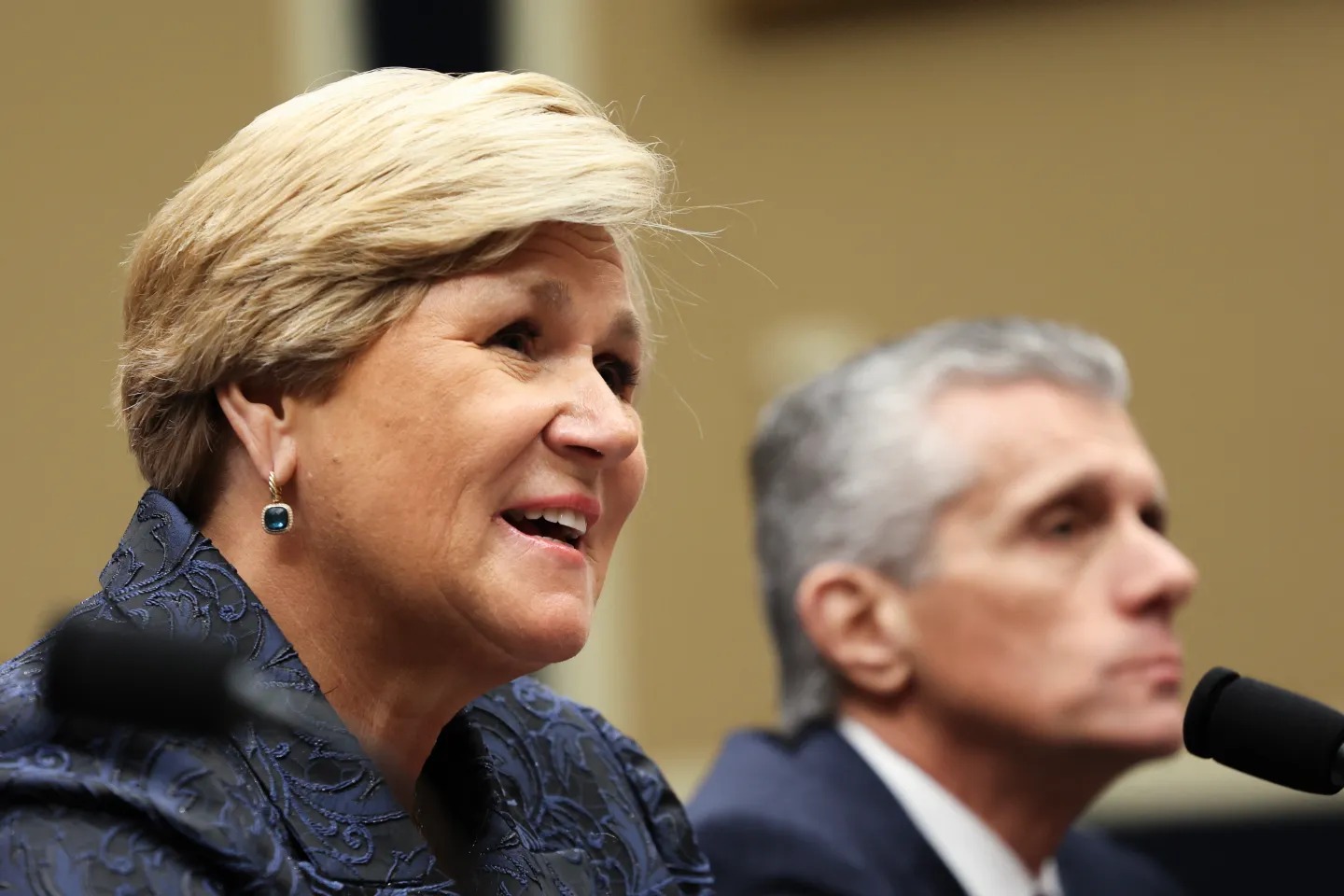
Gail Boudreaux's Elevance Health is the highest-ranking woman-led company on the 2026 Fortune Global 500, as the number of women running Global 500 companies reaches a record 34.
Fortune reported on 3 August that women now run 34 of the world's 500 largest companies by revenue. That is an all-time high, but it still equals only 6.8 percent of the list. The gap is even clearer when compared with the 2026 Fortune 500, where women led 55 of the largest U.S. companies at the time Fortune published its June count, or 11 percent.
Boudreaux's position is the clearest individual signal in the data. Elevance Health ranked No. 33 on the Global 500 and No. 18 on the Fortune 500, making it the top-ranking company led by a woman on both lists. Fortune noted that no woman-led company appears in the top 20, or even the top 30, of the Global 500. That detail matters because the Global 500 measures the largest companies worldwide, not only U.S. public companies, and the threshold to make the list is much higher than the domestic Fortune 500 cutoff.
For leadership coverage, the record number should be read carefully. A record can show progress and still expose weakness. Thirty-four women CEOs across 500 companies means the world's largest corporate decision-making rooms remain overwhelmingly male-led. These businesses represent enormous revenue, profit, employment and supply-chain influence. Fortune reported that Global 500 companies together account for two-thirds of global GDP, with $43.1 trillion in revenue, $3.4 trillion in profits and 70.2 million employees.
That makes the Global 500 count more than a symbolic gender scorecard. Corporate leadership affects capital spending, technology adoption, health benefits, procurement, climate risk, labor standards and market access. When women are underrepresented at that level, the absence shapes decisions across economies, not just boardroom demographics.
The comparison with the U.S. Fortune 500 also deserves attention. The Global 500 includes companies headquartered across markets with very different leadership norms, ownership structures, succession systems and board practices. The United States, Greater China and Japan together make up a large share of the list and its revenue. Some markets have made more progress elevating women to top corporate jobs than others, but even the better-performing markets remain far from parity.
For women building careers, Boudreaux's place on the list is both encouraging and sobering. It shows that women can lead some of the most complex companies in the world, including a major health business operating across insurance, care delivery, data, policy and consumer trust. It also shows how rare that path remains at the largest scale.
The useful question is what happens below the CEO role. The next decade of Global 500 leadership will depend on who gets operating roles, profit-and-loss responsibility, board visibility and succession sponsorship now. A record 34 women CEOs is news. Whether that number becomes a ceiling or a stepping stone depends on whether companies treat representation as a pipeline problem to manage every year, not a headline to celebrate once.
Stay close to the story
Subscribe to the newsletter
One edition a week from the SheMeansNews desk.