Local community organisers: the quiet engine
Behind a lot of the local life we take for granted is a small number of people doing unpaid coordination work. They deserve better coverage.
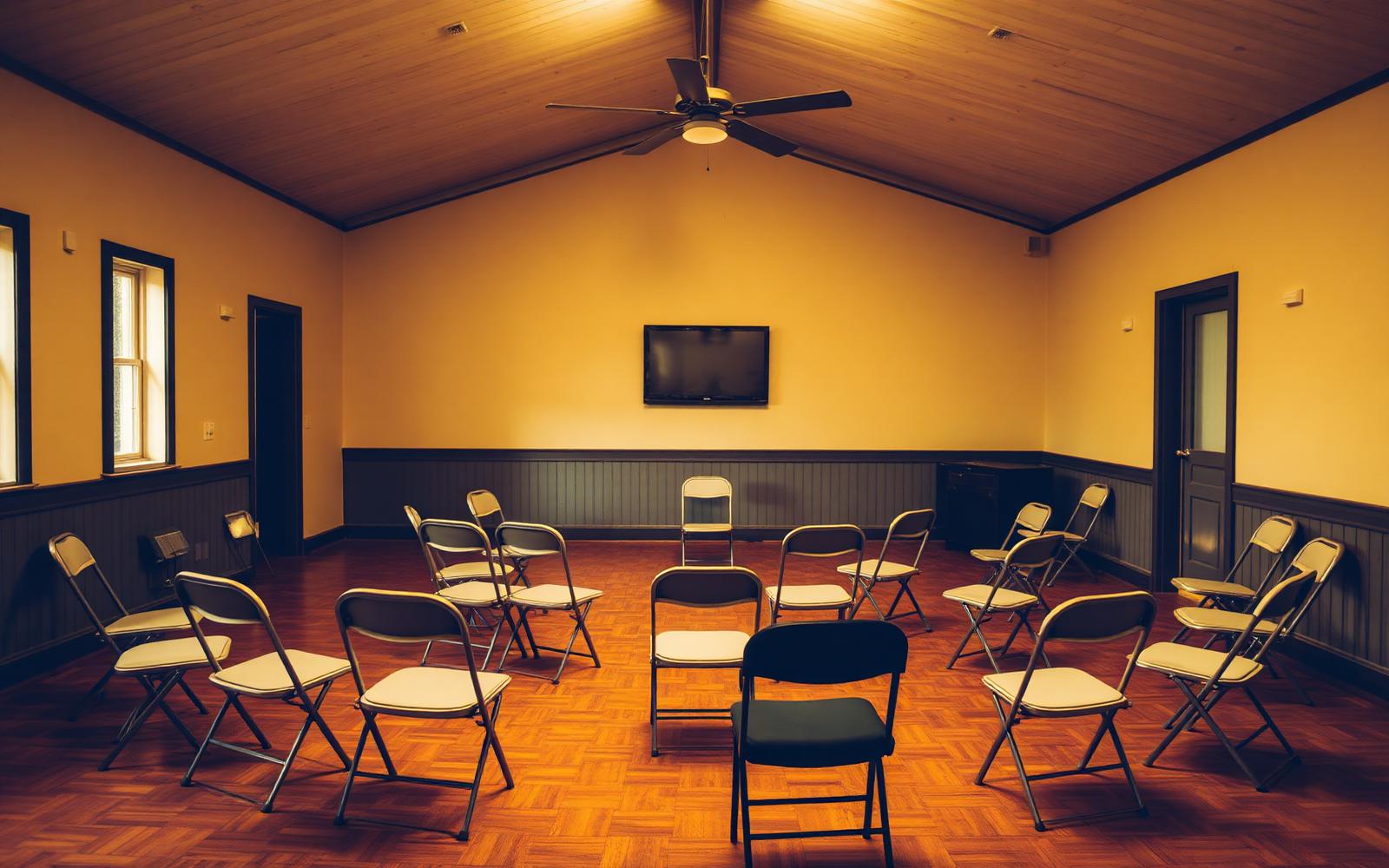
If you spend any time looking closely at a neighbourhood that seems to be working, you will usually find a small number of people behind it. They run the community group, the food bank rota, the school PTA, the residents' association, the local festival, the WhatsApp thread that holds the street together. Most of them are not paid for any of it.
Community organisers, in the broad sense of the term, do an enormous amount of the coordination work that local life depends on. They are easy to miss because the work is, by design, undramatic. A meeting that happened. A volunteer who turned up. A council form that was filled in correctly.
Coverage of local life tends to oscillate between heart-warming portraits and crisis reporting. Both have their place, and neither captures the steadier reality. What these organisers actually need from journalism is the same thing any other under-reported sector needs: attention to how the work is done, who is doing it, what is making it harder and what is making it easier.
There is also a quieter story about who ends up doing this work. The pattern is not random. Local organising leans heavily on the same demographics that carry a lot of the unpaid care work in the home, and the burnout patterns are similar.
We will be writing about community organisers as a serious beat. If you know one, or are one, we'd like to hear what the last twelve months have actually looked like.
Stay close to the story
Subscribe to the newsletter
One edition a week from the SheMeansNews desk.