Nepal's Simrik Initiative Turns Women-Led SME Finance Into an Operating Plan
Aadhyanta Fund Management's Simrik Initiative combines capital, coaching and banking partnerships for women-led SMEs in Nepal.
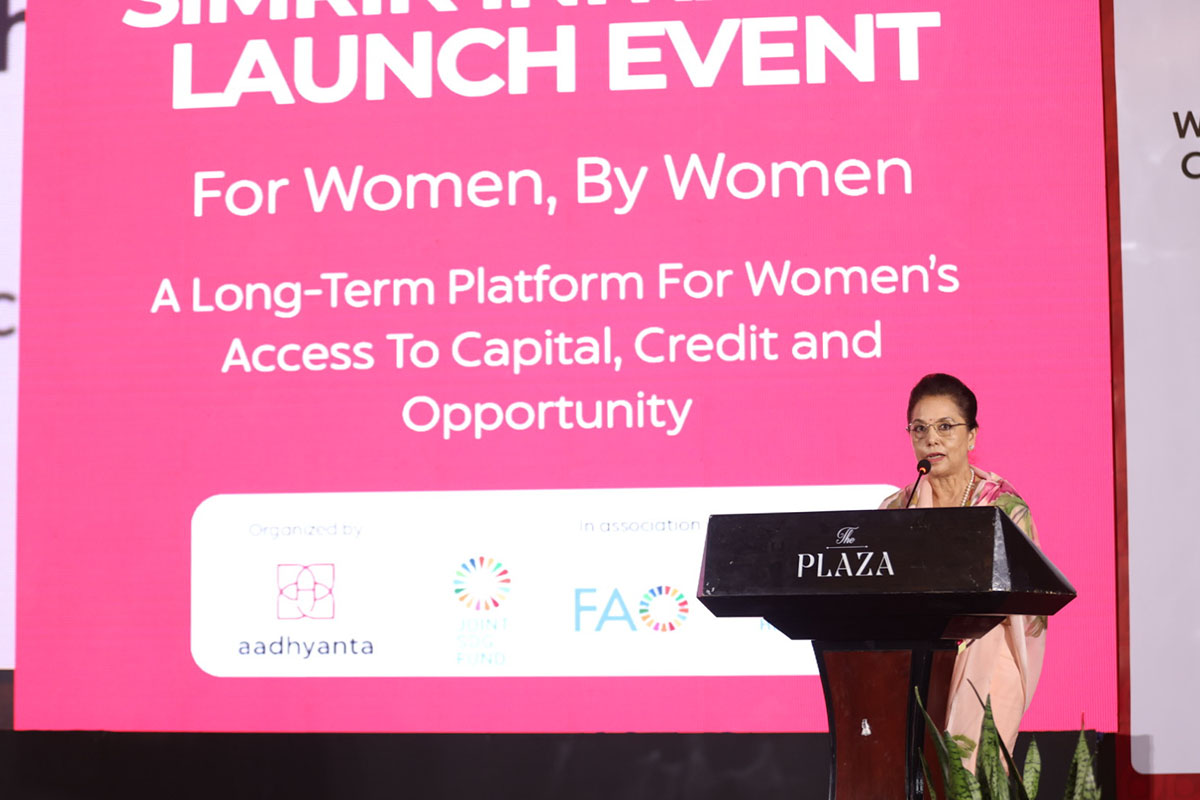
Aadhyanta Fund Management has launched the Simrik Initiative in Lalitpur with a practical promise for women-led businesses in Nepal: access to capital has to be paired with coaching, credit relationships and sector-specific support.
The programme was introduced at The Plaza under the theme "For Women, By Women", with Nepal's Minister for Law, Justice and Parliamentary Affairs, Sobita Gautam, attending as chief guest. The launch brought together government representatives, financial institutions and development partners, which matters because women-led small and medium-sized businesses often need more than a single investor or a single training session.
The most useful detail is the combination of tools. Aadhyanta described the Simrik Initiative and its companion Simrik Nari Fund as an attempt to bridge the gender financing gap through blended capital investment and tailored SME accelerator coaching. The event also featured 20 women agri-entrepreneurs who have already received direct equity or debt financing and acceleration support through AFML's investment programmes.
That design recognises a familiar problem. Women entrepreneurs can be told to become "investment ready" without being given the capital, records, advisory support or banking pathway that would make that readiness real. Capital without coaching can be hard to deploy well. Coaching without money can leave founders stuck at the same point. A banking partner without a wider programme may still ask small enterprises to meet conditions they are not yet set up to satisfy.
AFML's memorandum of understanding with Global IME Bank is therefore a central part of the story, not a side note. If the partnership gives women-led SMEs a clearer route to long-term credit, the initiative could help businesses move from one-off support into repeatable finance.
The FAO Nepal and UN Joint SDG Fund connection also gives the programme an agricultural-business frame. That is important in a market where women-led enterprises are often close to food systems, rural supply chains and local employment, but may still struggle to get formal growth capital.
For SheMeansNews readers, the lesson is that women's enterprise finance is strongest when it looks like infrastructure. The Simrik Initiative is not just celebrating women founders. It is trying to connect finance, acceleration, banking relationships and development partnerships around businesses that already have operating evidence.
The test now will be execution: how the Simrik Nari Fund allocates capital, how coaching is matched to each enterprise, whether bank access improves after the launch, and whether women-led SMEs outside the most visible networks can reach the programme. If those pieces hold, the initiative could become a model for treating women-led business finance as a system rather than a campaign.
Stay close to the story
Subscribe to the newsletter
One edition a week from the SheMeansNews desk.