Women's Capital Summit Builds a Two-Sided Room for Founders and Funders
Women's Capital Summit returns to New York with a balanced room of entrepreneurs and capital providers focused on funding routes beyond a single heroic raise.
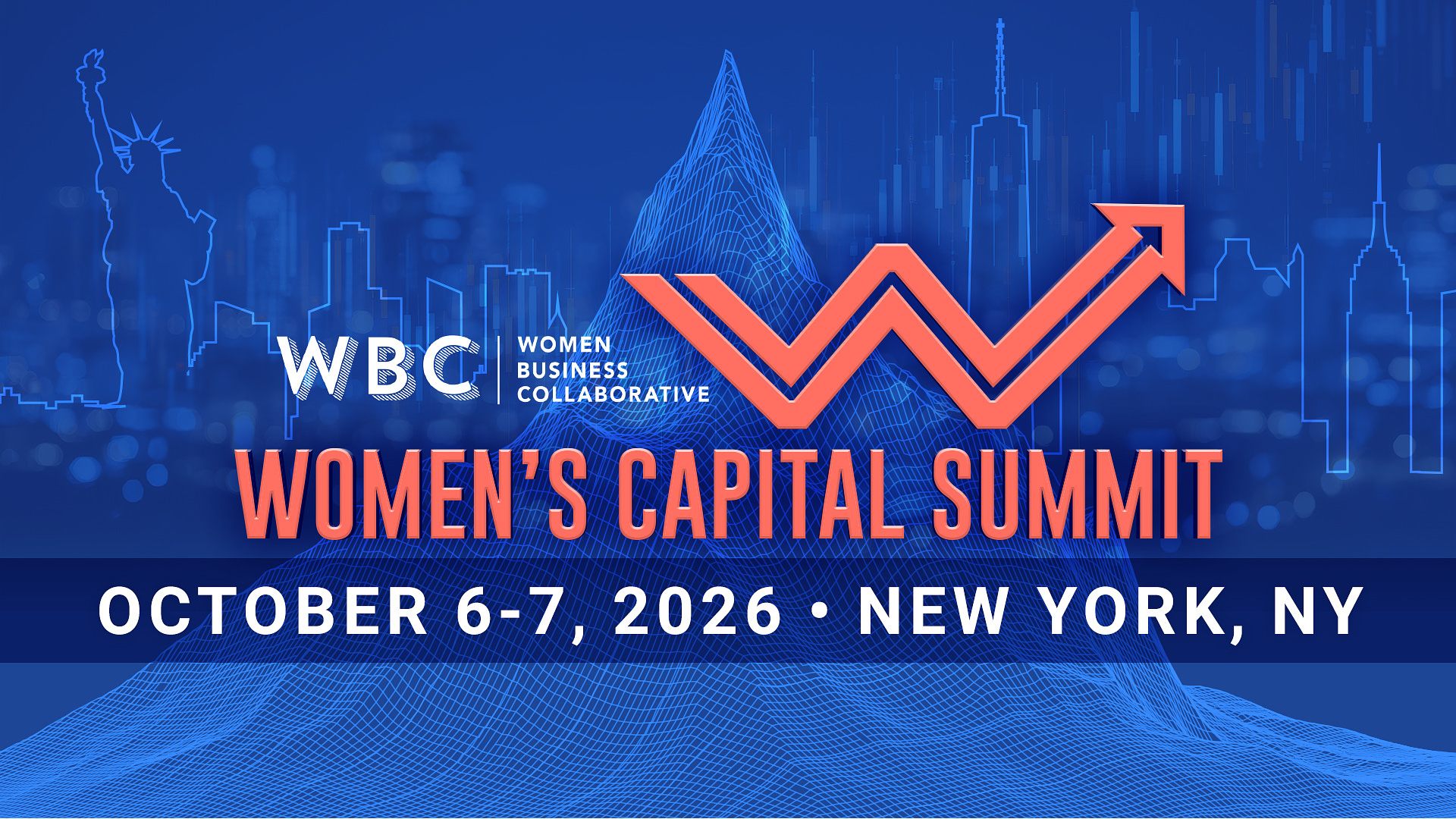
Women's Capital Summit returns to New York this week with a format that makes one design choice unusually clear: founders and funders need to be in the room together.
The two-day summit is scheduled for 6 and 7 October at Wells Fargo Connections in New York City. Women Business Collaborative describes the event as a place where entrepreneurs and capital providers meet, align and activate capital across every stage of the business lifecycle. The planned room is deliberately balanced, with 150 investors and 150 high-growth women entrepreneurs.
That number matters because women founders are often sent into rooms that are heavy on advice and light on decision-makers. Advice has value, but it is not the same as capital access. A balanced founder-investor room changes the conversation from "how women can prepare" to "how capital can actually move."
The summit also treats capital as more than one lane. Its agenda includes angel investing, smart debt strategies, legal protection for business owners, mergers and acquisitions as a growth tool, alternative funding, AI-era capital readiness, founder wealth and the network effect. That range is important because venture capital is only one possible growth path. Some founders need angel money. Some need debt. Some need strategic acquisition thinking. Some need legal structure before capital. Some need a better dashboard and forecast before an investor conversation goes anywhere.
The speaker list reinforces that wider view of capital. It includes founders, investors, bankers, legal advisers, operators and executives, with women leading companies across technology, health, sports, investment, consulting, manufacturing, food and services. Merrilee Kick, founder of BuzzBallz and CEO of GourmetLand Foods, is among the listed speakers, alongside founders and funders working across early-stage investing, alternative wealth, women-led health and revenue-based finance.
For women entrepreneurs, the most useful part may be the summit's willingness to name founder wealth alongside company growth. Many business events focus on scaling the enterprise while leaving personal financial strategy in the background. But founders carry risk personally, especially in businesses where early years are financed through savings, credit, delayed pay or family trade-offs. Building a company and building personal resilience are connected.
The AI-readiness strand is also timely. Investors now expect better data, clearer systems and stronger storytelling. AI can help with financial modelling, customer insight and operational visibility, but only if founders understand how to use it without turning the business into a technology performance.
For SheMeansNews readers, the summit's value is in its practical framing. It is not selling capital as a single heroic raise. It is treating capital as a set of tools that need to match the business stage, risk profile and founder goal.
If the summit works, the result will not be measured only by panels completed or business cards exchanged. The harder measure is whether women leave with clearer funding routes, better investor relationships, stronger legal and financial footing, and a sharper view of the kind of capital their company actually needs.
Stay close to the story
Subscribe to the newsletter
One edition a week from the SheMeansNews desk.