Charlotte Louis Pivots SenterME Into Healthcare Workforce Intelligence in Raleigh
Raleigh founder Charlotte Louis is repositioning SenterME from a consumer wellness app into a B2B healthcare workforce intelligence platform that helps employers spot burnout risk before it disrupts care.
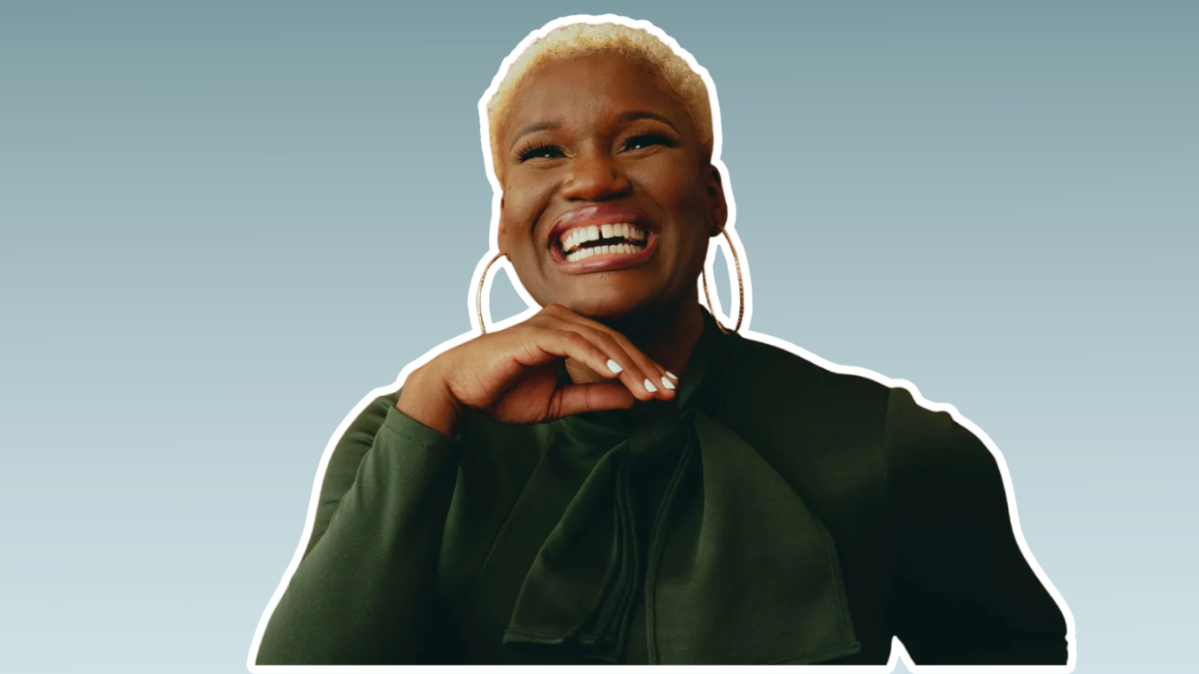
Raleigh founder Charlotte Louis is moving SenterME away from a consumer wellness lane and into a sharper workplace problem: how healthcare employers spot burnout risks before they turn into resignations, staffing gaps or care disruption.
GrepBeat reported on June 24 that SenterME has repositioned itself as a B2B company building what Louis describes as structural health intelligence for healthcare teams. The move is a notable founder story because it is not a simple rebrand. It reflects a wider shift in the way workplace wellbeing startups are trying to sell to employers: less emphasis on individual coping tools, and more emphasis on systems that help leaders see where strain is building across units and teams.
SenterME was earlier known as an emotional wellness resource for women professionals. Louis told GrepBeat that the original product was real and useful, but testing exposed a harder truth. If employees are burning out because of the conditions around them, tools that only help a person regulate stress can leave the underlying workplace problem untouched. That pushed the company upstream from personal support toward organisational intelligence.
The healthcare focus matters because hospitals and health systems already carry heavy labour pressure. Nursing leaders and workforce executives often have fragments of information across staffing reports, turnover data, patient experience trends, rounding conversations and manager feedback. Those signals can be slow to assemble. By the time a pattern is obvious, a unit may already be operating in survival mode or a manager may already have resigned.
Louis is now aiming SenterME at that gap between early strain and late intervention. The company is still early, but GrepBeat reported that it has a clearer buyer, a validated problem, health systems in the pipeline and a more defined technical path. Louis has also brought on a founding technical lead and is looking to add more people to the team.
For women-led startups, the story is also a reminder that founder discipline is not only about sticking to the first idea. In SenterME's case, the founder appears to have kept the mission, protecting people from burnout, while changing the buyer, product and market wedge. That is the kind of pivot investors and customers often say they want to see: evidence from the field, a stronger commercial path and a more specific pain point.
It is also a useful counterpoint to the way workplace wellbeing is often marketed. A meditation app, a coaching session or a resource library can help an individual, but they may not tell a chief nursing officer where pressure is compounding across a system. SenterME's new direction suggests the more durable business opportunity may be in giving leaders earlier visibility, not asking exhausted workers to become better at absorbing broken conditions.
The next test will be whether SenterME can turn that sharper thesis into repeatable deployments with healthcare employers. If it can, the company may sit in a growing category of workforce tools that treat burnout as an operational risk rather than a private problem for employees to manage alone. For Louis, the early proof point is healthcare, but the broader claim is that other industries could eventually use similar intelligence to recognise strain before teams break down.
Stay close to the story
Subscribe to the newsletter
One edition a week from the SheMeansNews desk.